


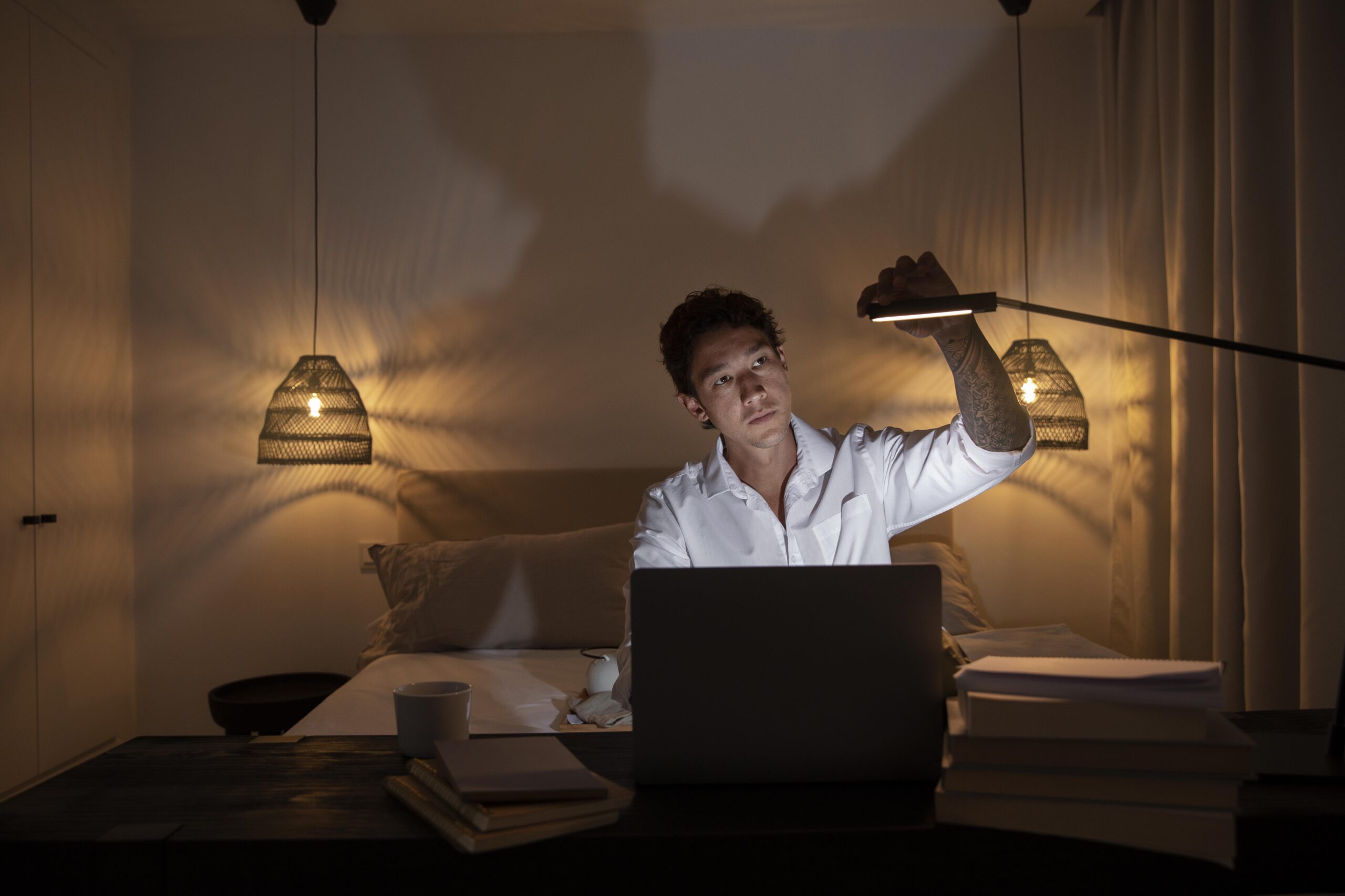
Lighting plays a major role in our daily lives, yet most people don’t realize how powerful it is. The right lighting can change the mood of a room, improve productivity, make a home look beautiful, and even affect our emotions. Whether it’s natural sunlight entering through a window or artificial lights glowing inside our homes, lighting is a key part of comfort and design. In this blog, we will explore the importance of lighting, different types of lights, how to choose the right lighting for your space, common mistakes people make, modern lighting trends, and why good lighting matters.
Why Lighting Matters
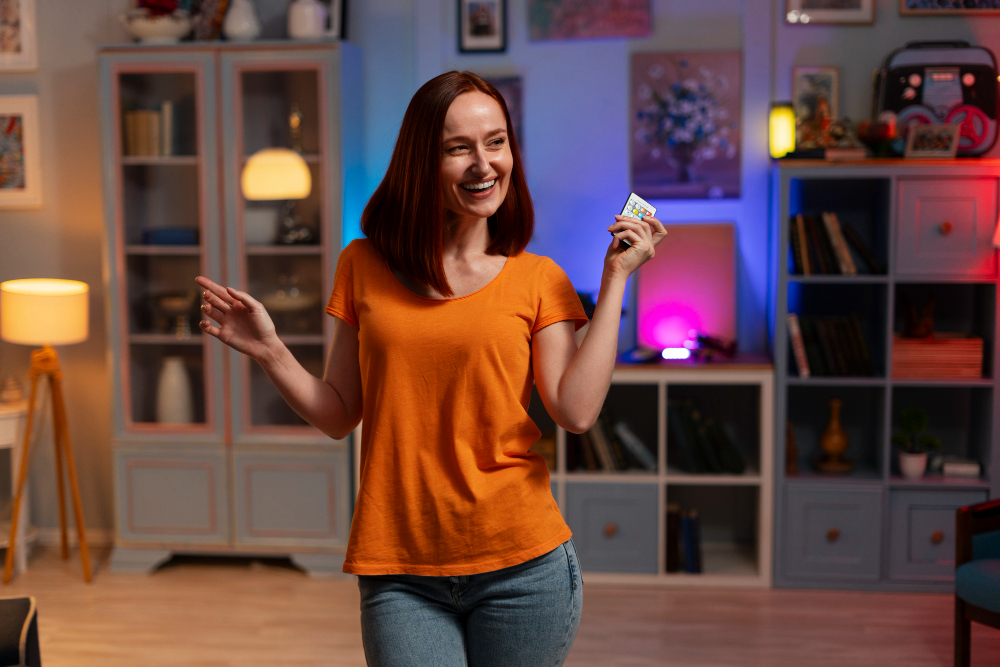
Lighting is not just about brightening a space; it is also about creating an atmosphere. The right lighting helps you see better, work better, and feel better. Poor lighting can make a room look dull and can even cause eye strain or headaches. Good lighting, on the other hand, brings a room to life.
Here’s why lighting is so important:
1. It Affects Mood
Bright lights can energize you, while warm and soft lights can make you feel relaxed. This is why bedrooms usually have softer lighting while kitchens and offices have brighter lights.
2. It Highlights Your Space
Proper lighting can highlight beautiful furniture, paintings, or decorations. It makes your home look stylish and well-designed.
3. It Increases Productivity
Studies show that bright, clear lighting helps people focus better, especially in offices, study rooms, and workspaces.
4. It Enhances Safety
Good lighting prevents accidents, especially in staircases, hallways, and outdoor areas.
Types of Lighting
Lighting comes in many forms, and each type serves a different purpose. Understanding these types helps you design a perfect lighting setup for your home or office.
1. Ambient Lighting
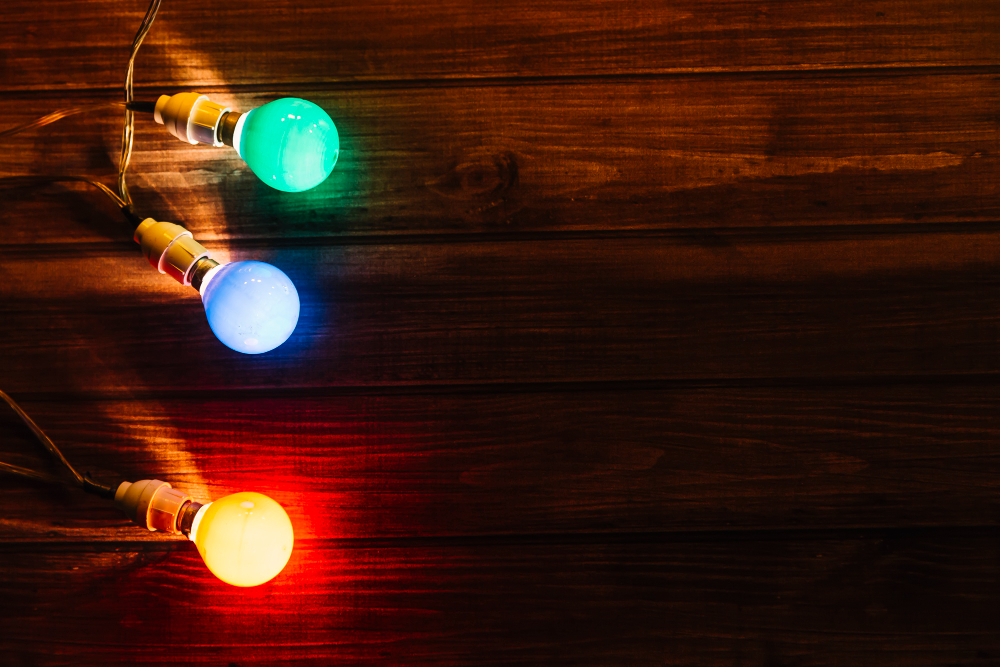
Ambient lighting is the main source of light in a room. It gives overall brightness and makes the space usable.
Examples:
- Ceiling lights
- LED panels
- Chandeliers
- Recessed lights
Ambient lighting sets the tone of the entire room.
2. Task Lighting

Task lighting is used for activities that require focus, such as reading, cooking, working, or studying.
Examples:
- Desk lamps
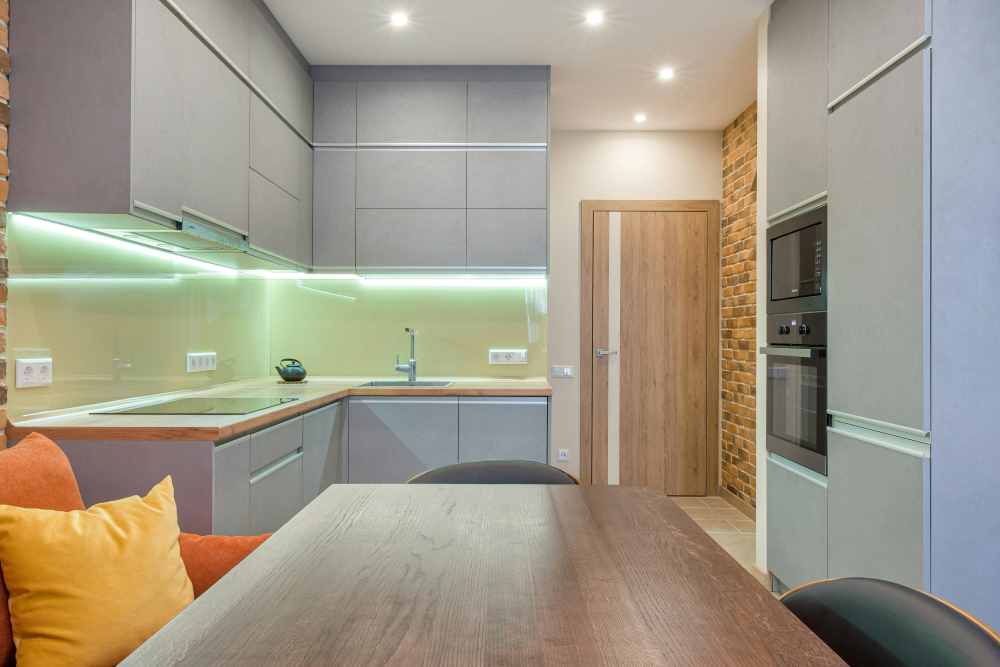
- Under-cabinet lights in kitchens
- Reading lights near beds
Task lighting reduces eye strain and improves accuracy in detailed work.
3. Accent Lighting
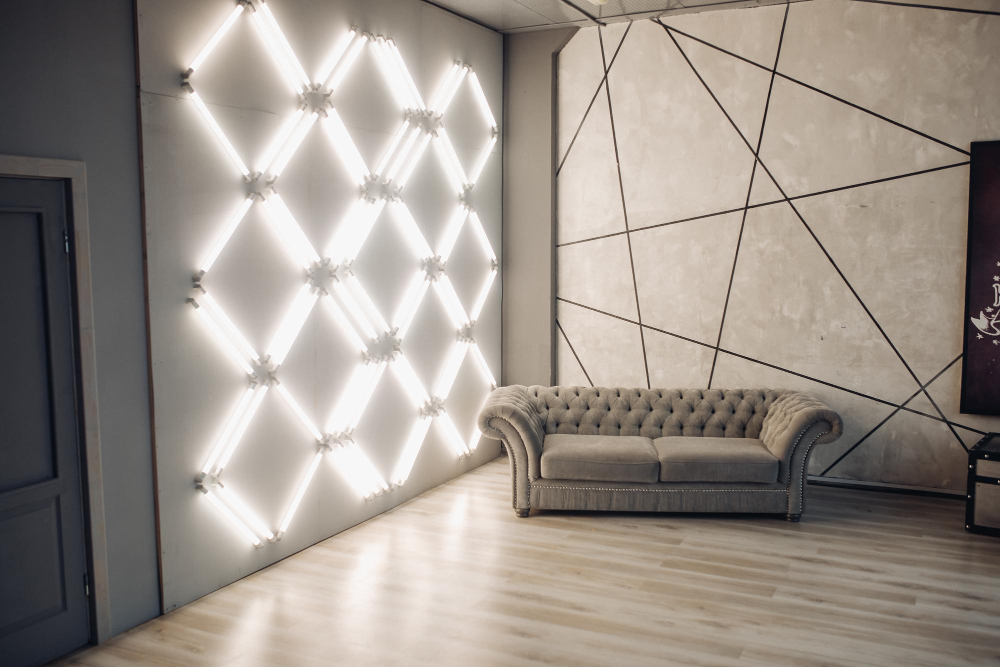
Accent lighting is used to highlight special features or create a dramatic effect.
Examples:
- Spotlights
- Track lighting
- Picture lights
- Wall sconces
Accent lighting draws attention to artwork, shelves, or architectural details.
4. Decorative Lighting
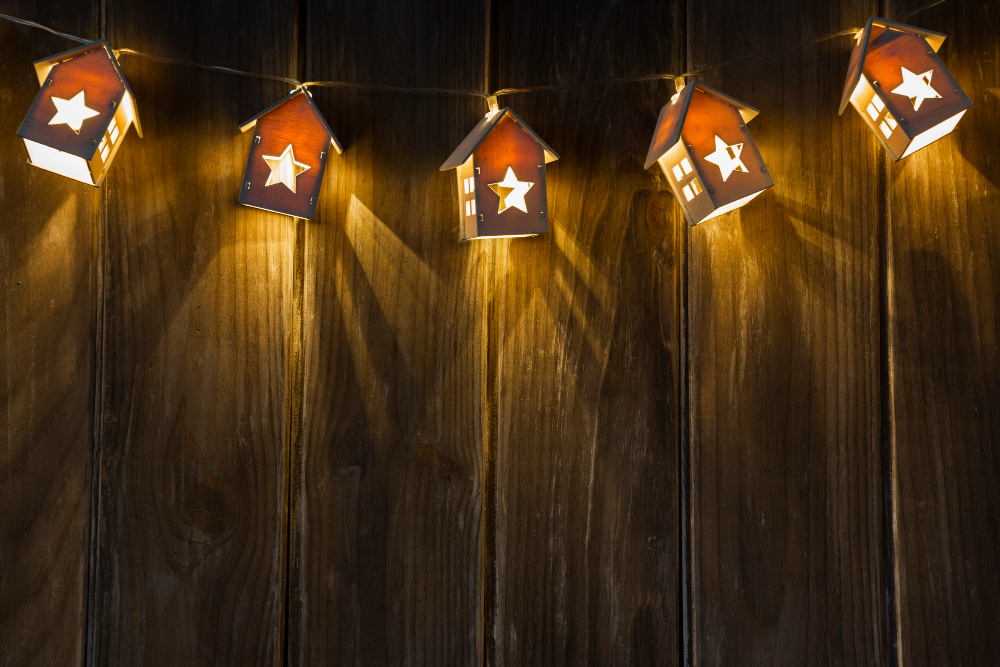
These lights add beauty and style to a room. They are meant to enhance the design rather than provide full brightness.
Examples:
- Pendant lights
- Decorative lamps
- String lights
- Modern wall fixtures
Decorative lighting helps express creativity and personal style.
5. Natural Lighting
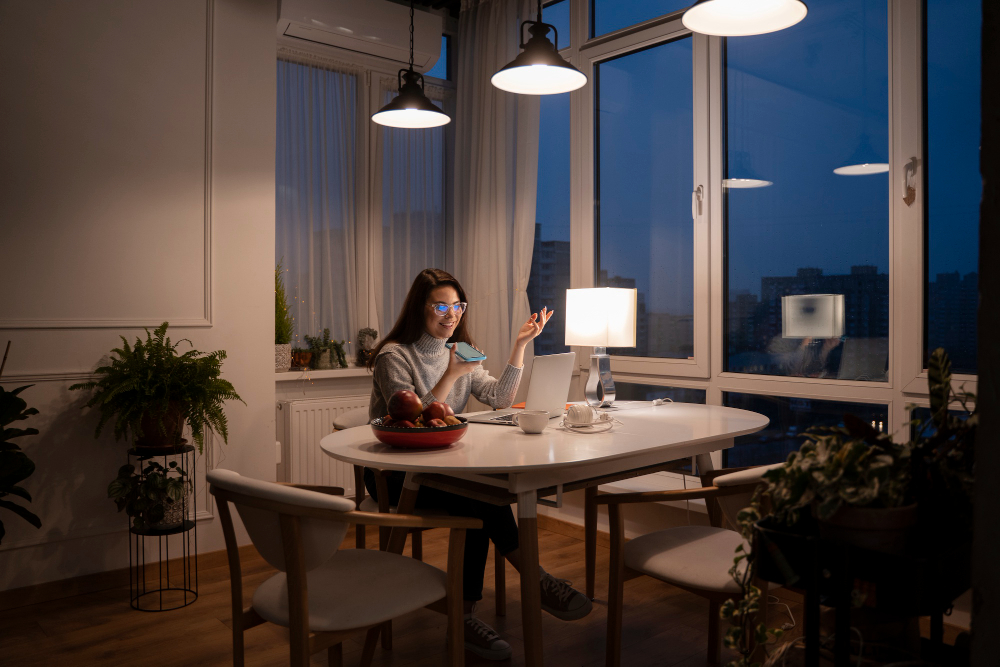
Natural light comes from the sun. It is the most comfortable and healthy type of lighting.
Examples:
- Windows
- Skylights
- Glass doors
Natural lighting boosts mood and reduces electricity use.
Different Types of Light Bulbs
Choosing the right light bulb is just as important as choosing the fixture. Here are the main types:
1. LED Bulbs
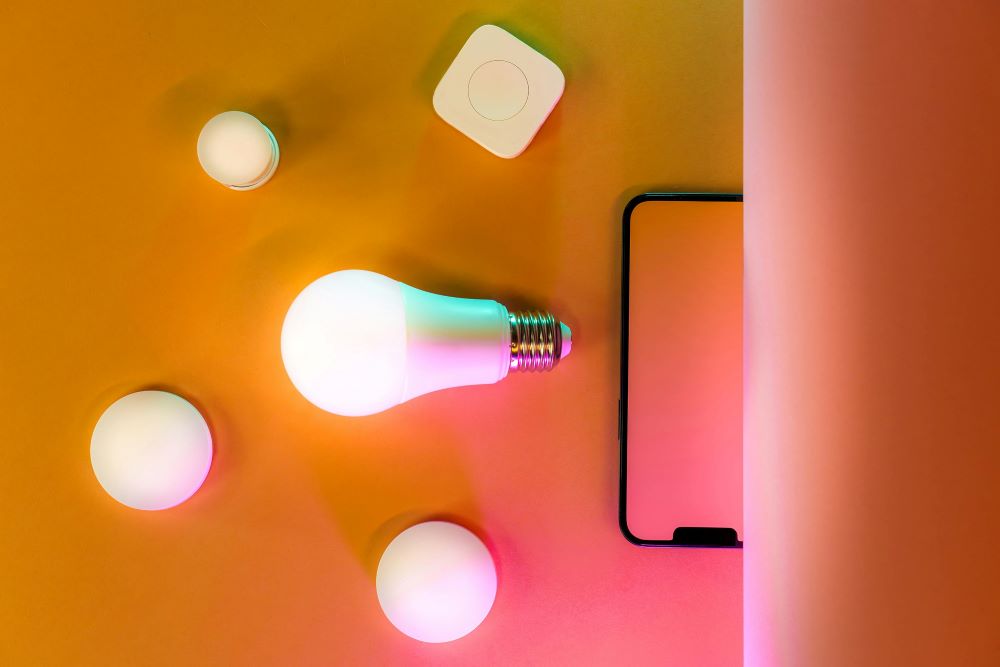
LEDs are the most popular today. They are energy-efficient, long-lasting, and available in many colors and brightness levels.
2. CFL Bulbs
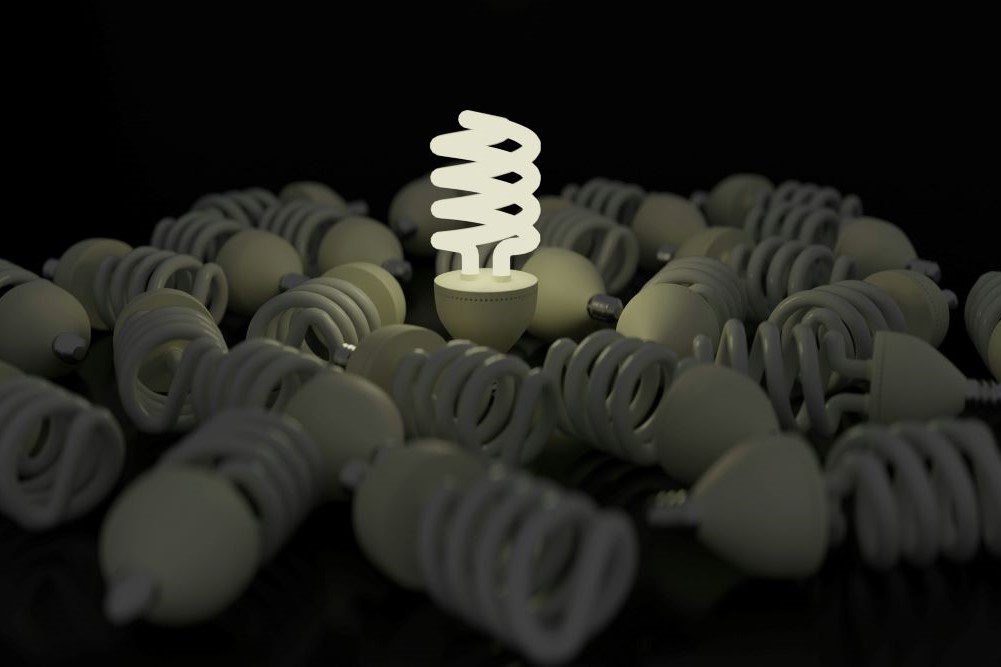
CFLs use less energy than traditional bulbs but are not as long-lasting as LEDs.
3. Incandescent Bulbs
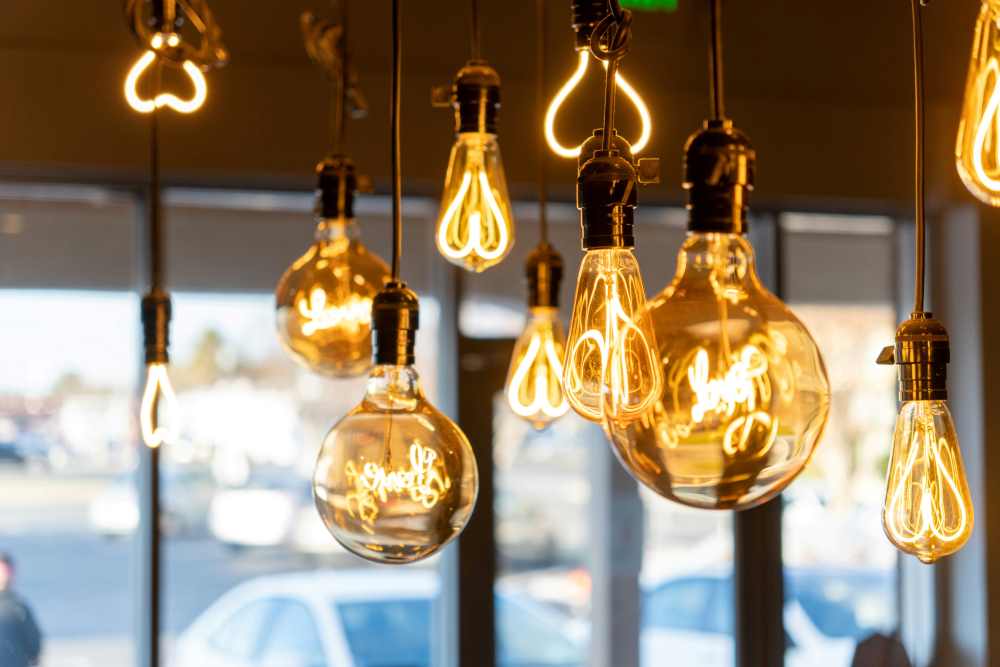
These were used for many years but are less energy-efficient and produce more heat.
4. Halogen Bulbs
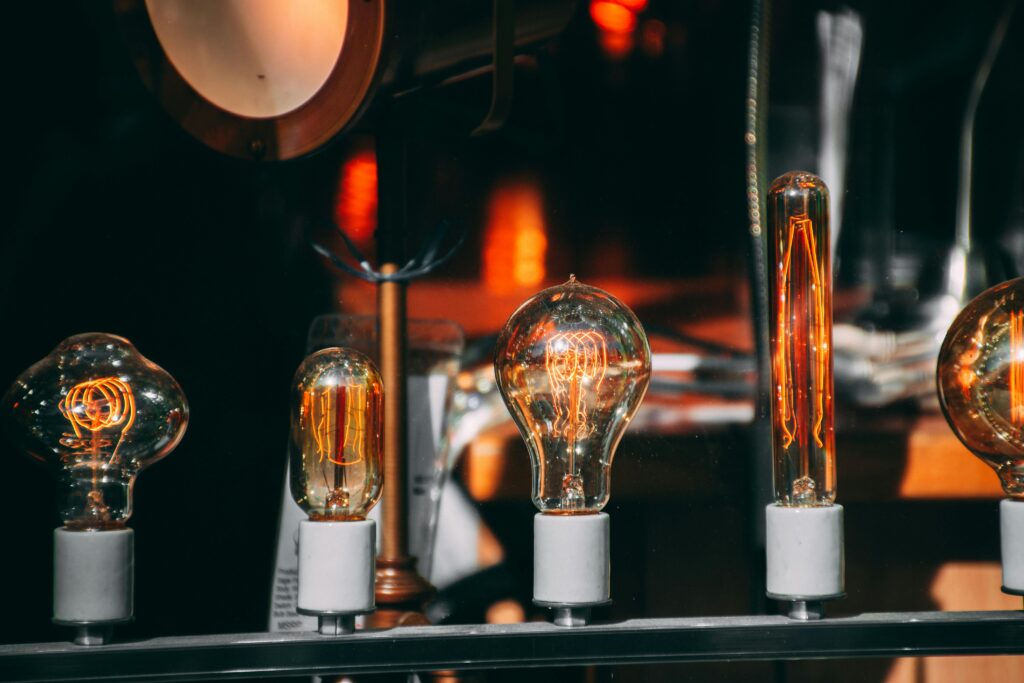
These bulbs offer bright light but consume more energy.
LEDs are the best choice for most modern homes because they save electricity and last longer.
How to Choose the Right Lighting for Your Home
Choosing the best lighting for your home depends on the purpose of each room. Here are simple tips:
1. Living Room
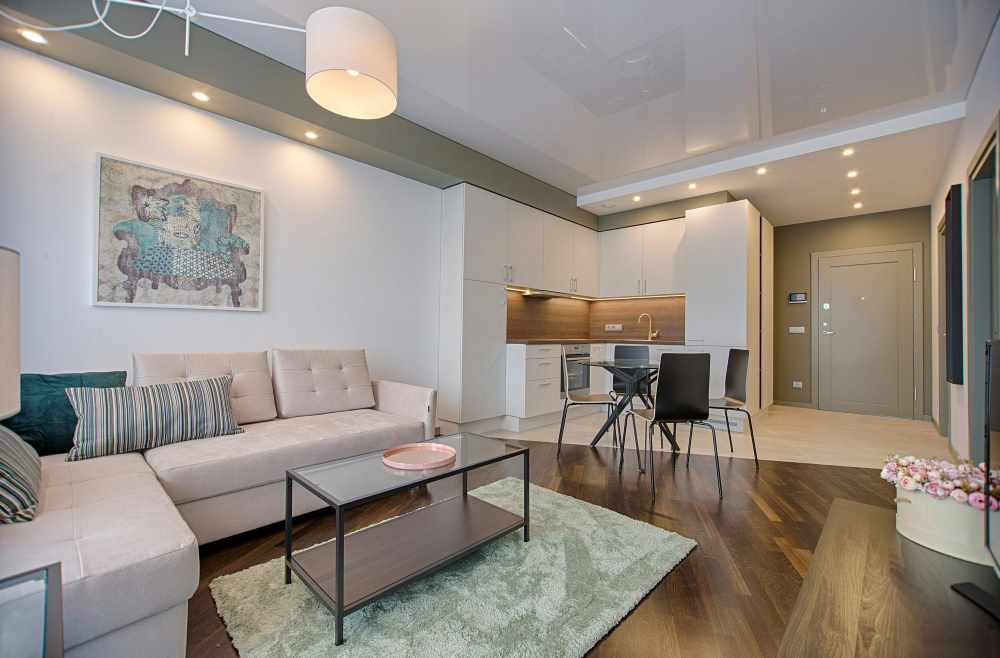
Use a mix of ambient, task, and decorative lighting. Floor lamps and table lamps create a warm and cozy atmosphere.
2. Bedroom
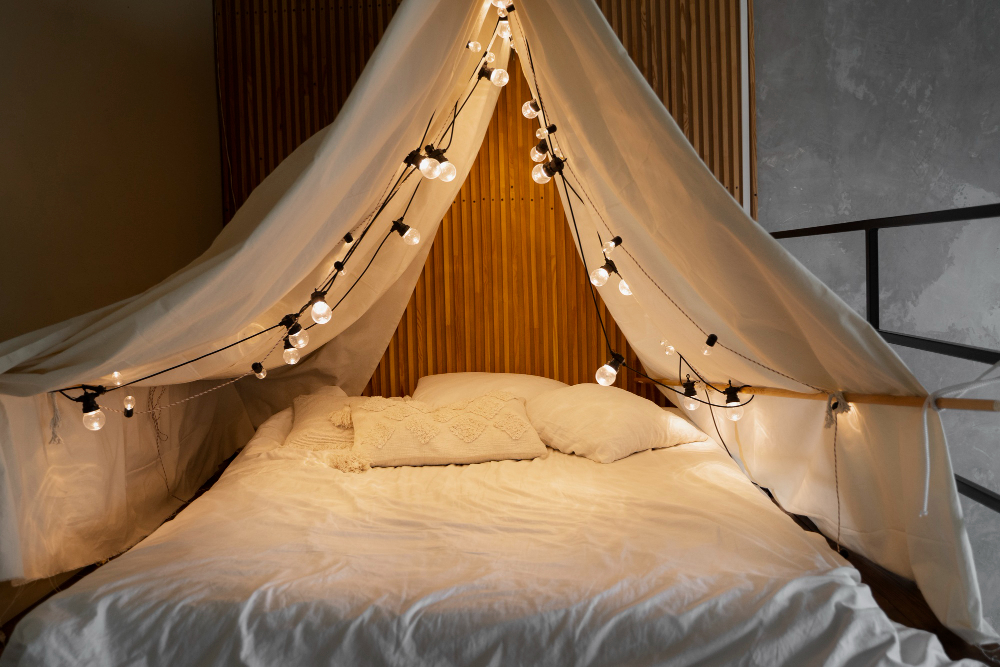
Go for soft, warm lights to create a relaxing space. Use bedside lamps for reading before sleep.
3. Kitchen
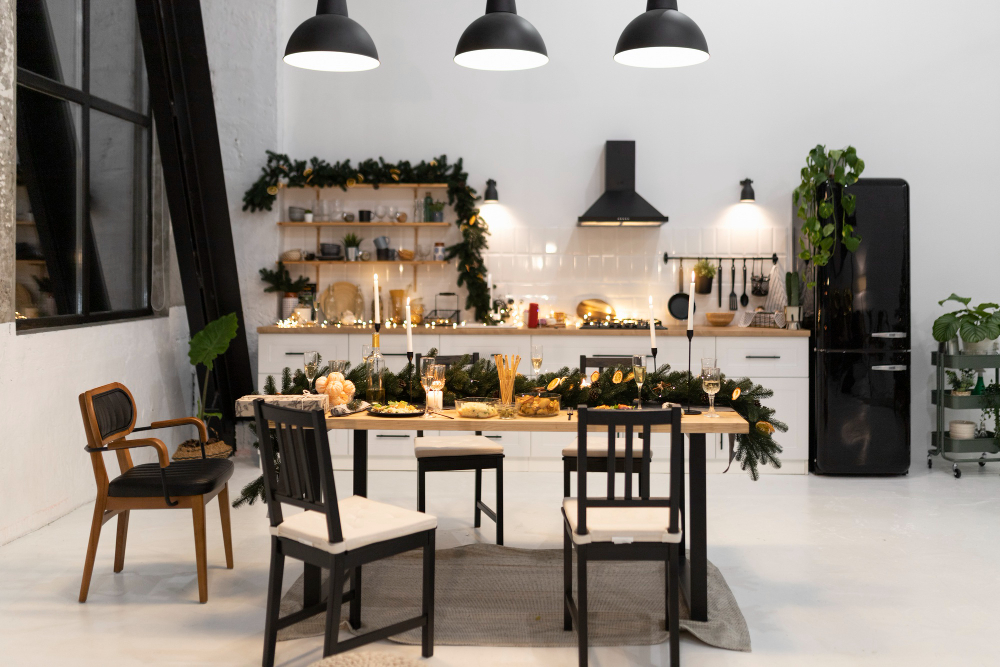
Kitchens need bright task lighting, especially around cooking areas. Under-cabinet lights are very useful.
4. Bathroom
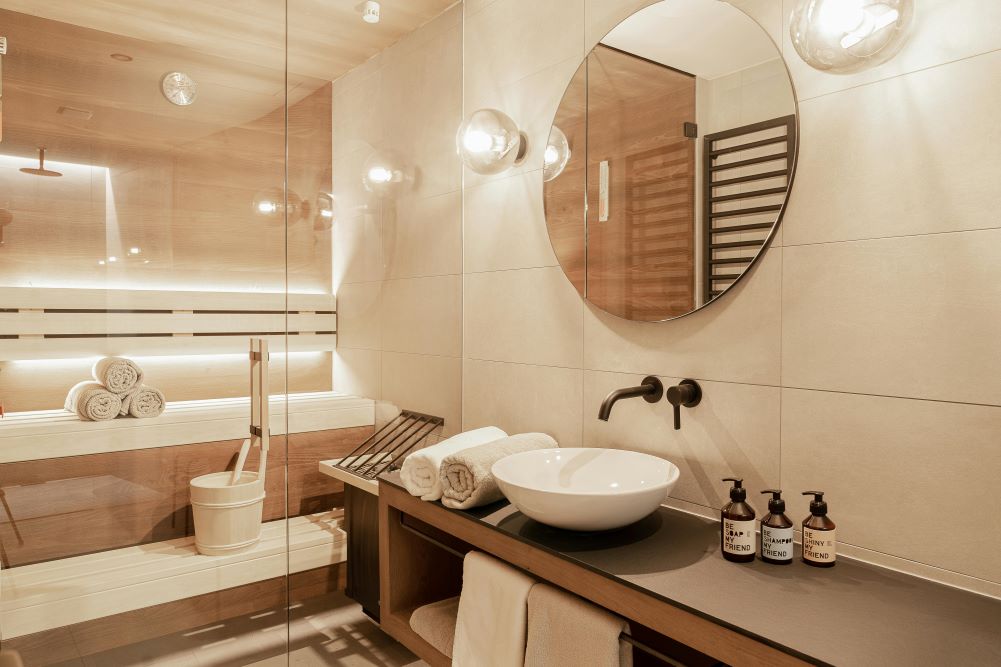
Bright and clear lighting is important here, especially around mirrors. Use moisture-resistant fixtures.
5. Office/Study Room
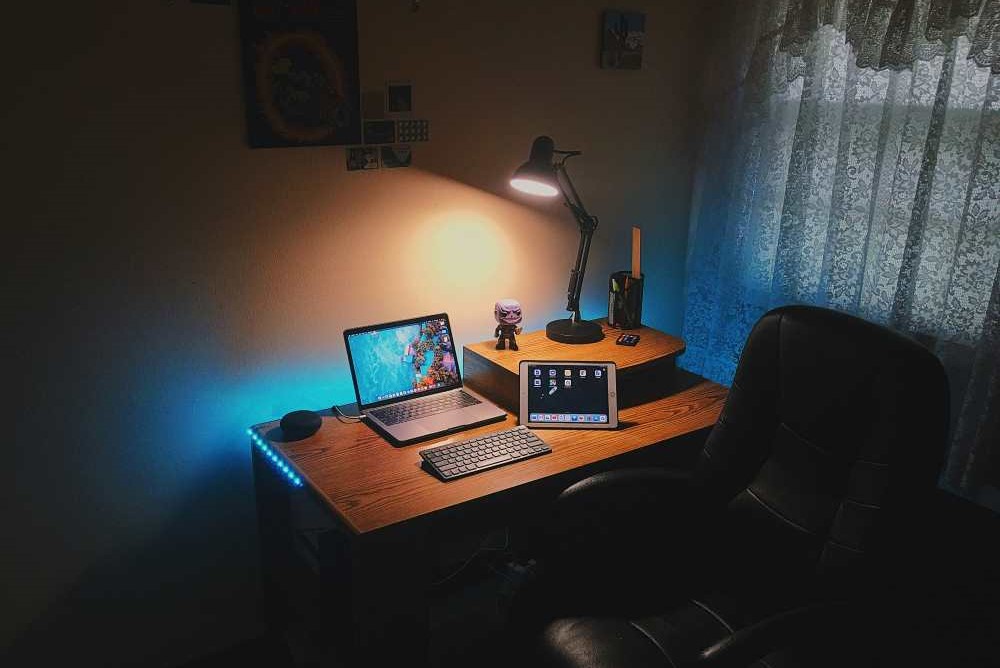
Bright white lights help improve focus and reduce eye strain. Desk lamps are essential.
6. Outdoor Areas
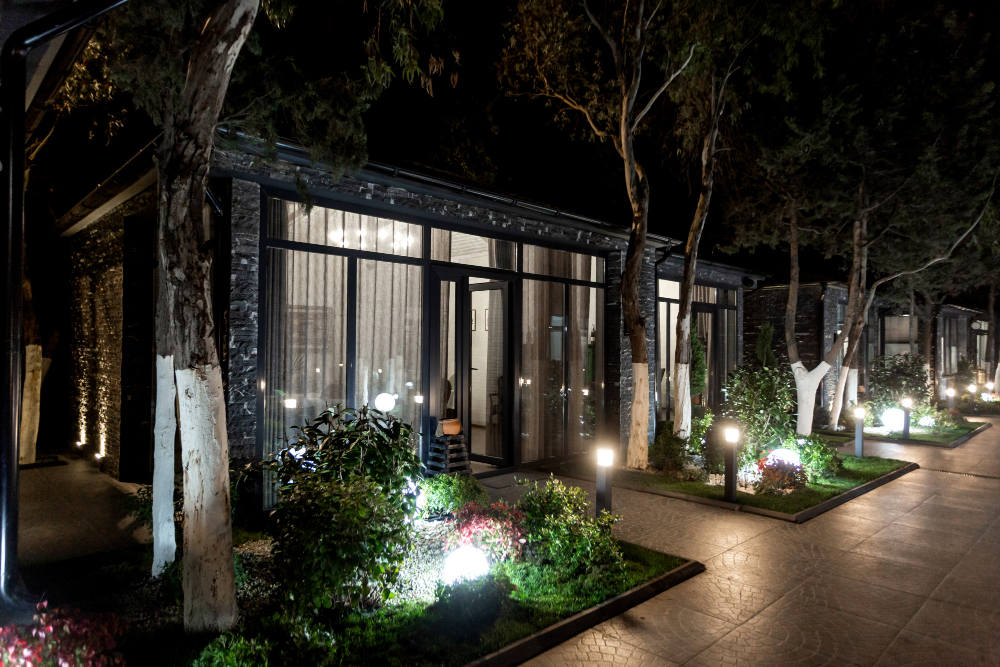
Use strong, weather-proof lights for pathways and entrances. Motion sensor lights improve safety.
Common Lighting Mistakes People Make
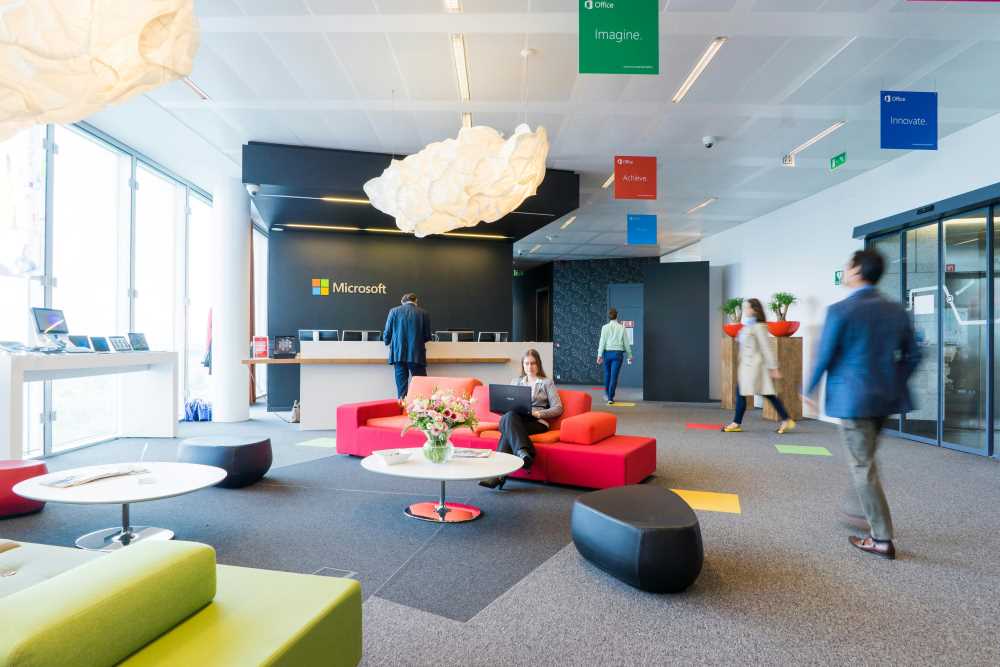
Many people make simple mistakes that affect the look and feel of their space. Here are common ones:
1. Using Only One Light Source
A single ceiling light is not enough. Use layers of lighting to add depth and beauty.
2. Choosing the Wrong Light Color
Light color matters.
- Warm lights (yellowish) are best for living rooms and bedrooms.
- Cool white lights are ideal for kitchens and offices.
3. Ignoring Natural Light
Blocking windows with heavy curtains reduces natural brightness. Use lighter materials to let sunlight in.
4. Not Using Dimmers
Dimmers help adjust the brightness according to your mood or activity. They also save electricity.
5. Installing Lights at the Wrong Height
Lights that are too low or too high can cause glare or shadows.
Modern Lighting Trends
Lighting has evolved over the years. Here are some modern trends people love today:
1. Smart Lighting

Smart bulbs let you control brightness and color through your phone. You can turn lights on or off even when you’re not home.
2. LED Strip Lights
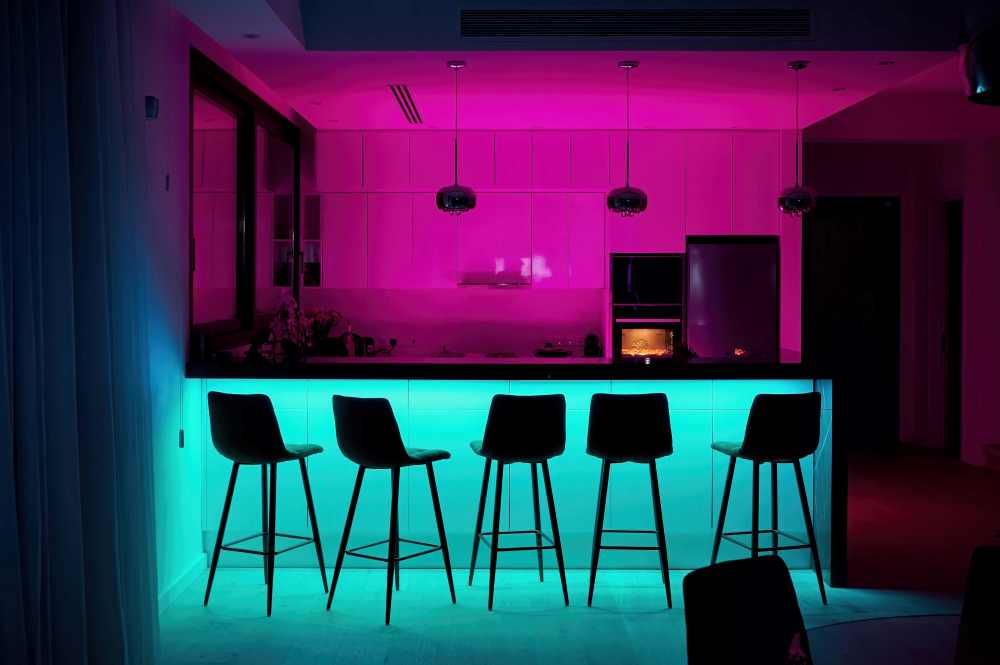
These are used behind TVs, under cabinets, and around furniture to create a stylish glow.
3. Pendant Lights
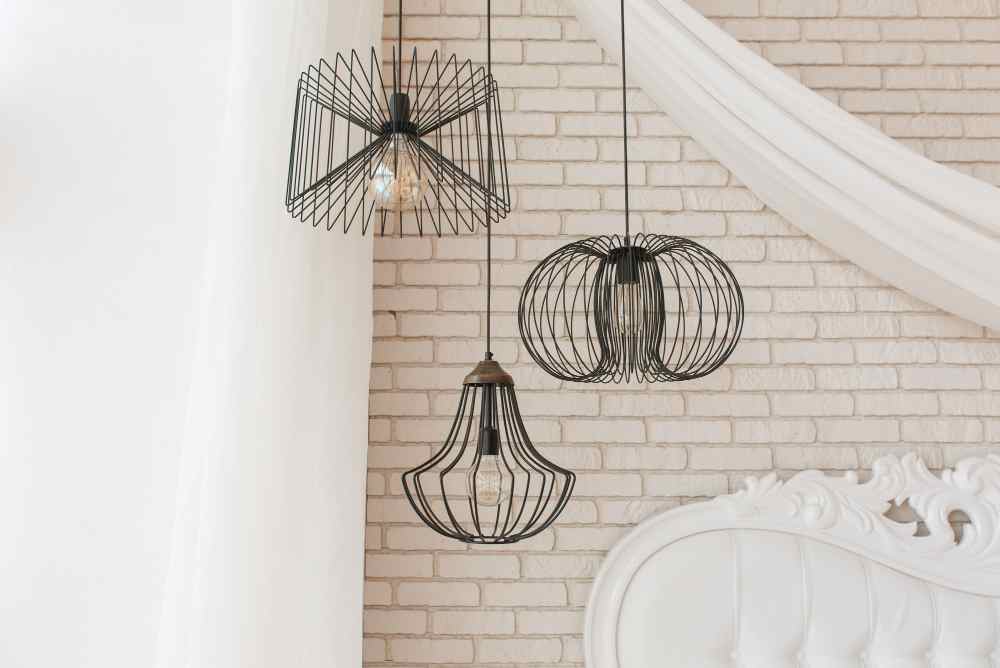
Hanging pendant lights add elegance to kitchens, dining rooms, and hallways.
4. Minimalist Designs
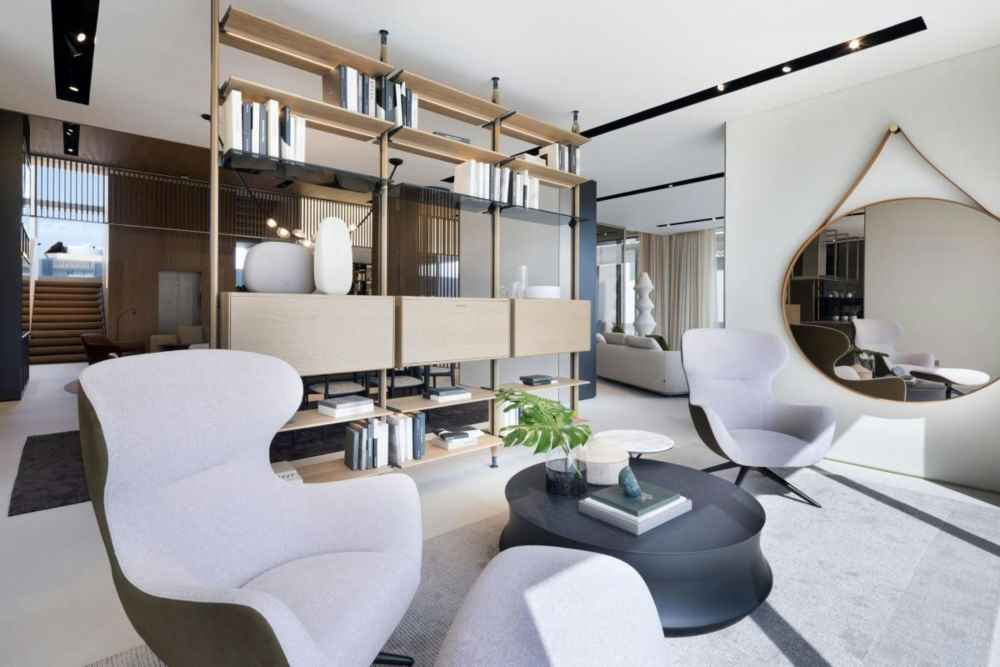
Simple and clean lighting designs are becoming very popular in modern homes.
5. Eco-Friendly Lighting
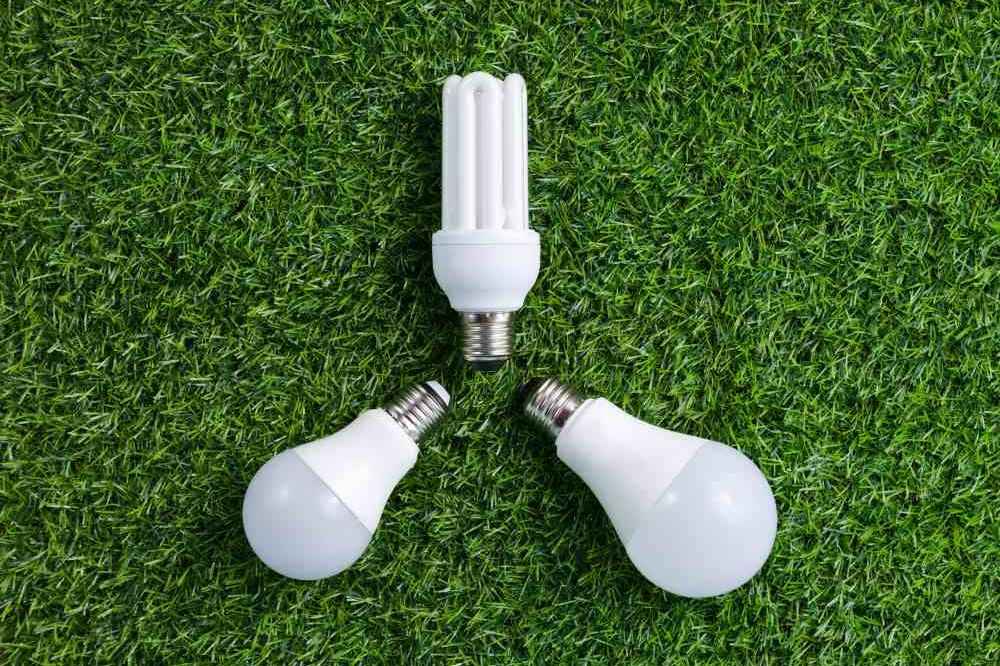
More people now choose energy-saving LED lights to reduce electricity bills and help the environment.
How Lighting Affects Interior Design
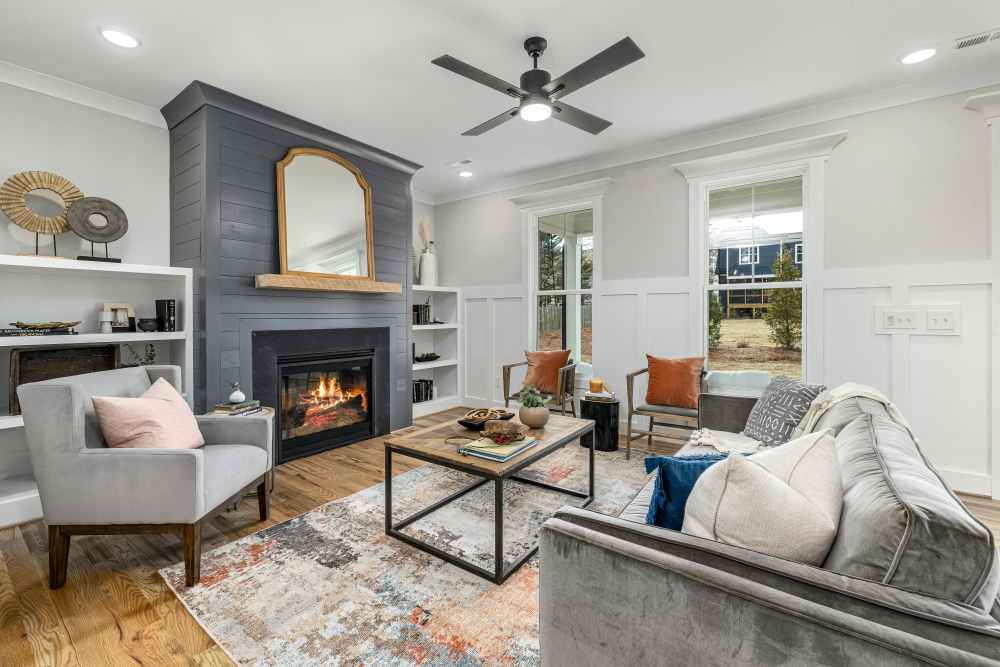
Lighting has the power to make small rooms look bigger, dull rooms look bright, and simple spaces look luxurious. It highlights colors, textures, furniture, and decor. Interior designers often say:
“Lighting is the finishing touch that brings a room together.”
Without proper lighting, even expensive furniture can look unimpressive. That is why designers carefully plan lighting layouts before decorating a space.
Why Quality Lighting Is Worth the Investment
Good lighting may cost more, but the benefits are long-lasting:
- Saves electricity
- Improves home value
- Looks beautiful and modern
- Lasts longer
- Enhances comfort
Poor-quality lights burn out quickly and often require replacement. Investing in good lighting means fewer repairs and better performance.
Conclusion
Lighting is one of the most important elements in any home or workspace. It affects mood, comfort, productivity, and the beauty of a room. From ambient and task lighting to decorative and natural light, every type plays its own role. Choosing the right bulbs, using layered lighting, and avoiding common mistakes can transform an ordinary room into a warm, bright, and welcoming space.
In simple words, good lighting changes everything. It makes your home feel alive, sets the right mood, and makes daily tasks easier. Whether you are designing a new room or upgrading your current space, investing in proper lighting is one of the best decisions you can make.