


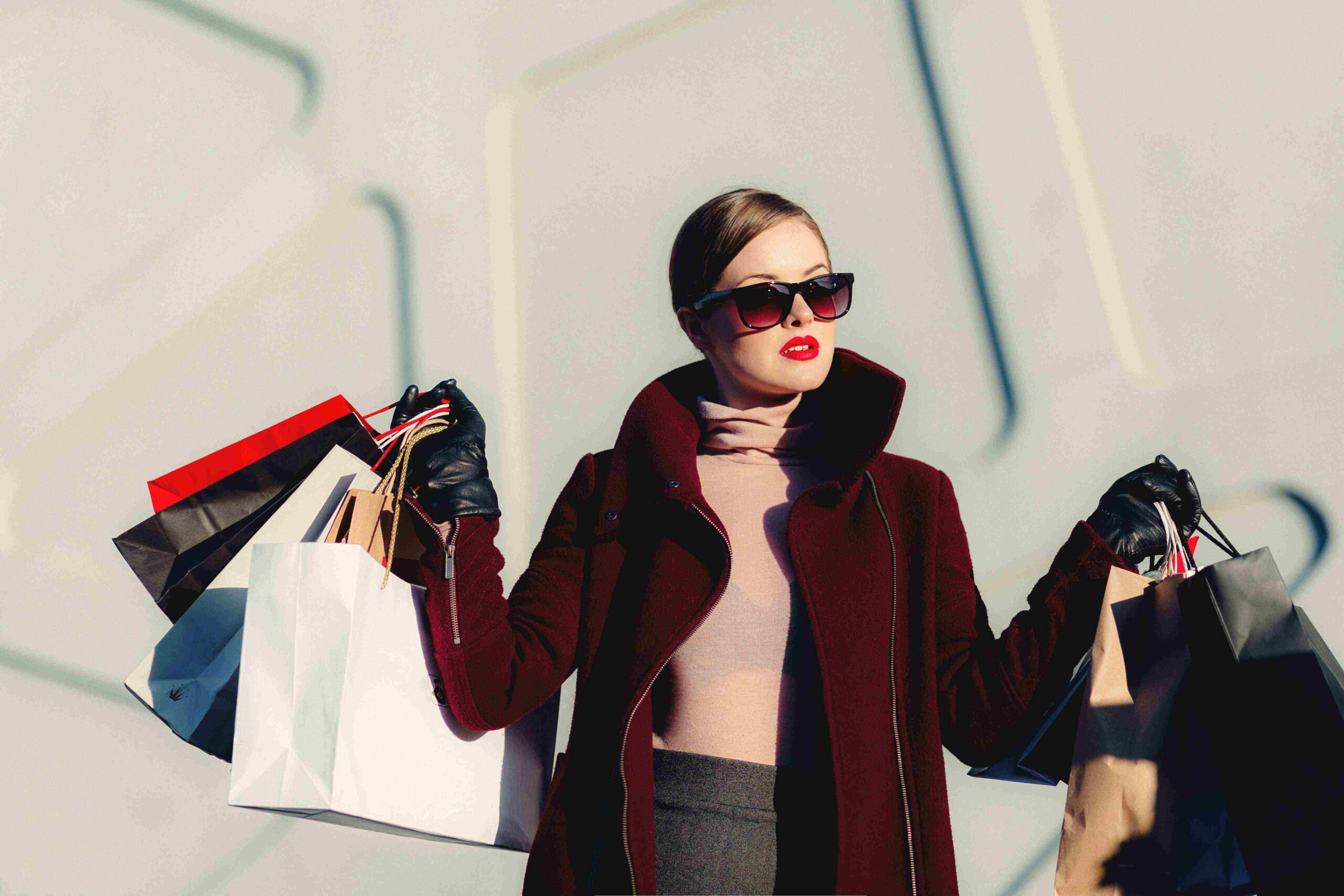
Fashion is one of the most personal and powerful forms of self-expression. The clothes you wear say a lot about who you are — your personality, lifestyle, and even your mood. In the United States, clothing has evolved beyond simple necessity. It’s now a symbol of individuality, confidence, and creativity.
From everyday casual wear to high-end designer outfits, the U.S. fashion industry offers something for everyone. Whether you’re a trendsetter who loves experimenting with new looks or someone who values comfort and simplicity, understanding the world of clothing helps you dress smarter, shop better, and express yourself more authentically.
The Role of Clothing in Everyday Life
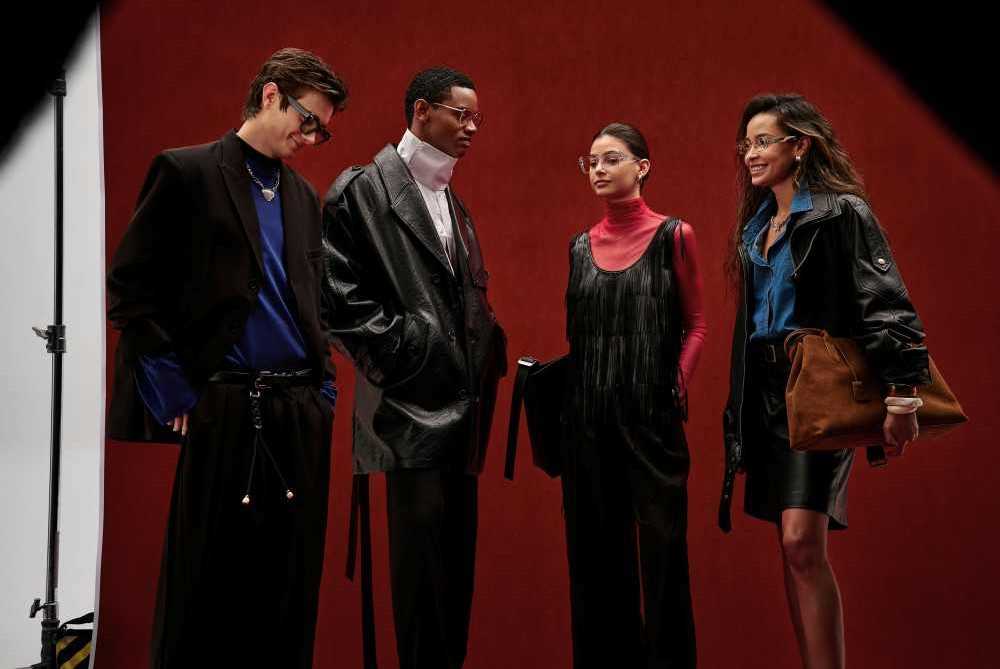
Clothing serves multiple purposes — it protects, defines, and communicates. In a fast-paced world like the U.S., what people wear often reflects how they live and what they value. For example:
- Business professionals gravitate toward sharp suits, blouses, and tailored looks.
- College students prefer jeans, hoodies, and sneakers for comfort and versatility.
- Outdoor lovers opt for functional wear like jackets, hiking boots, and thermal layers.
Your outfit can also impact how you feel. Wearing something that fits well and aligns with your personality boosts self-esteem and helps you navigate social or professional settings with confidence.
The U.S. Clothing Industry: A Fashion Powerhouse
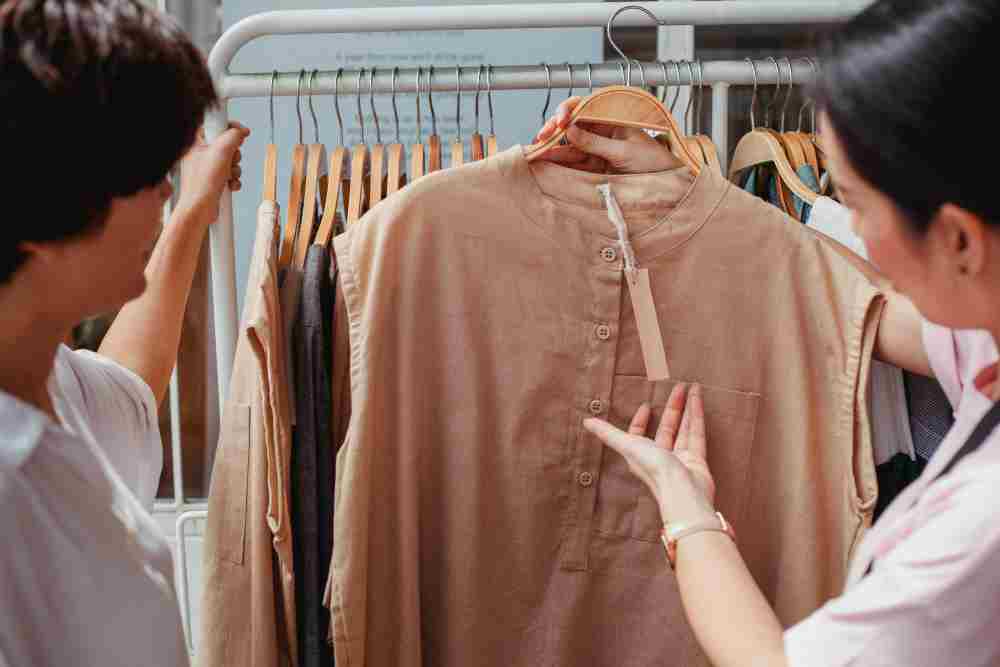
The clothing industry in the United States is one of the largest and most dynamic markets in the world. According to the U.S. Bureau of Economic Analysis, the fashion and apparel market generates over $350 billion annually and continues to grow as online shopping dominates the retail landscape.
Why the U.S. Clothing Market Stands Out:
- Cultural Diversity: American fashion blends global influences — from European sophistication to Asian minimalism and street-inspired urban wear.
- Innovation: Brands constantly experiment with new fabrics, designs, and technology.
- Inclusivity: There’s a strong focus on size diversity, gender-neutral clothing, and accessibility.
- Sustainability: Many brands are moving toward eco-friendly and ethically made clothing.
This diversity and openness make the U.S. fashion scene unique — a mix of creativity, culture, and commerce.
Popular Clothing Categories in the U.S.
To understand American fashion, it helps to explore the main clothing categories that define the market.
A. Casual Wear
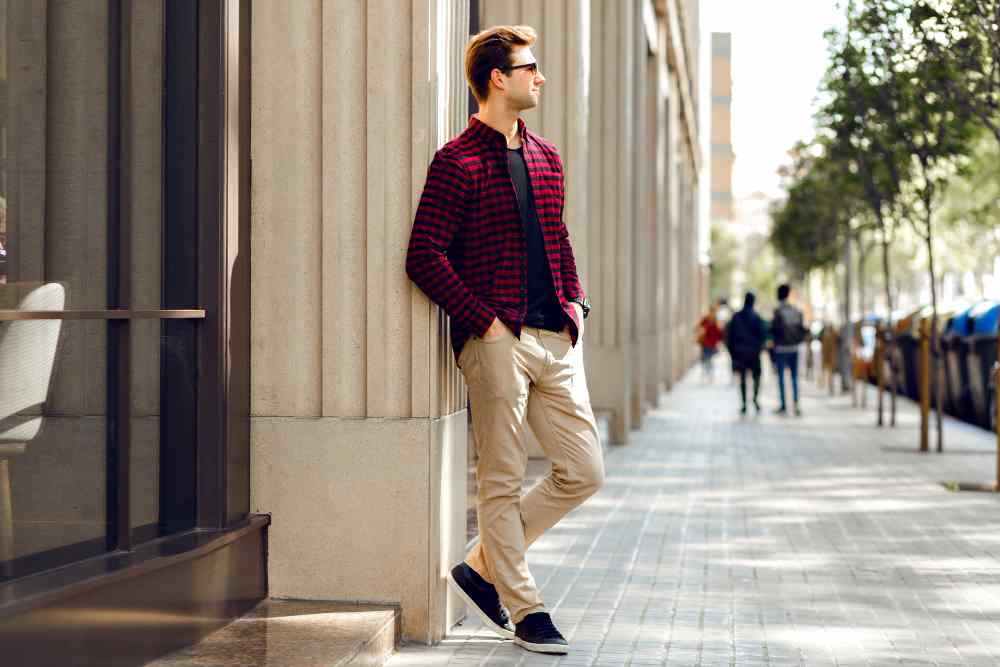
Casual wear dominates U.S. wardrobes. It includes jeans, t-shirts, hoodies, sneakers, and sweatpants — items designed for comfort and versatility. Brands like Levi’s, Gap, and Old Navy have built their reputations around this easygoing, everyday style.
Casual fashion isn’t about being boring; it’s about combining comfort with personality. For example, pairing denim jeans with a graphic tee or sneakers with a blazer can strike the perfect balance between relaxed and refined.
B. Formal Wear

Formal wear is essential for professional environments, weddings, and events. For men, this includes suits, ties, and dress shirts. For women, it ranges from elegant dresses to tailored pantsuits. Brands like Calvin Klein, Ralph Lauren, and Brooks Brothers continue to define American formalwear.
Over time, formal fashion in the U.S. has become more flexible. Many workplaces now allow “business casual” attire — giving employees the freedom to mix formal pieces with comfortable elements.
C. Sportswear and Activewear
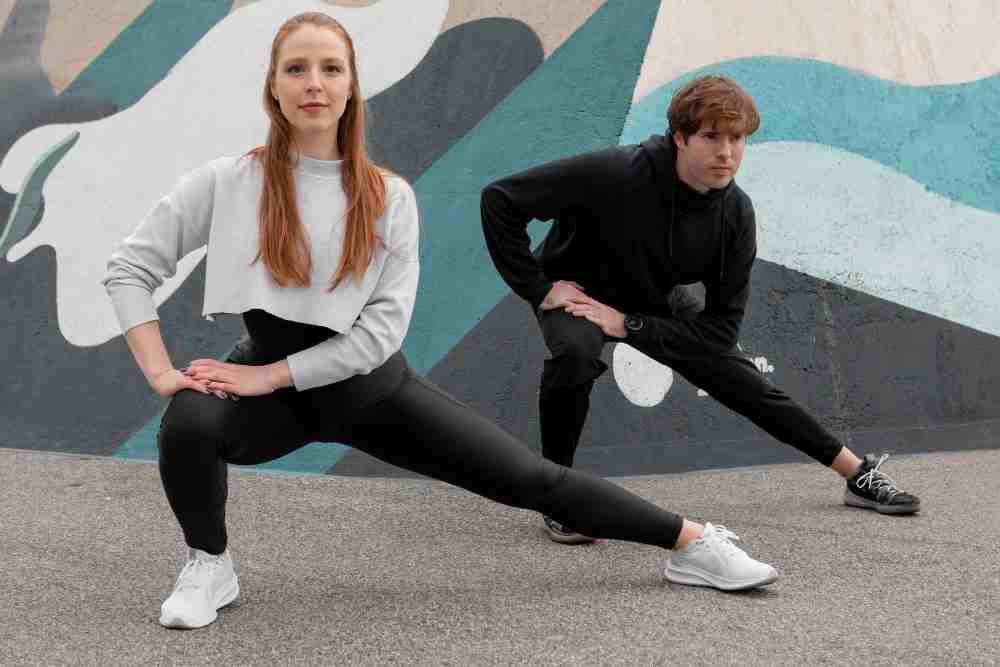
The U.S. has been at the forefront of the athleisure movement — a trend that blurs the line between gym wear and everyday fashion. Brands like Nike, Adidas, Lululemon, and Under Armour lead this space, offering stylish yet functional clothing.
Activewear appeals to both fitness enthusiasts and those who prioritize comfort. Whether it’s yoga pants, moisture-wicking shirts, or athletic sneakers, these clothes represent an active, health-conscious lifestyle that resonates with millions of Americans.
D. Streetwear

Streetwear has become a cultural phenomenon across the U.S., inspired by skate, hip-hop, and urban culture. It’s characterized by oversized hoodies, graphic tees, sneakers, and statement accessories.
Brands like Supreme, Off-White, and Champion dominate this space, especially among Gen Z and millennials.
Streetwear’s rise reflects a larger trend in American culture — individuality. It’s bold, expressive, and constantly evolving with pop culture and social media trends.
E. Sustainable Fashion
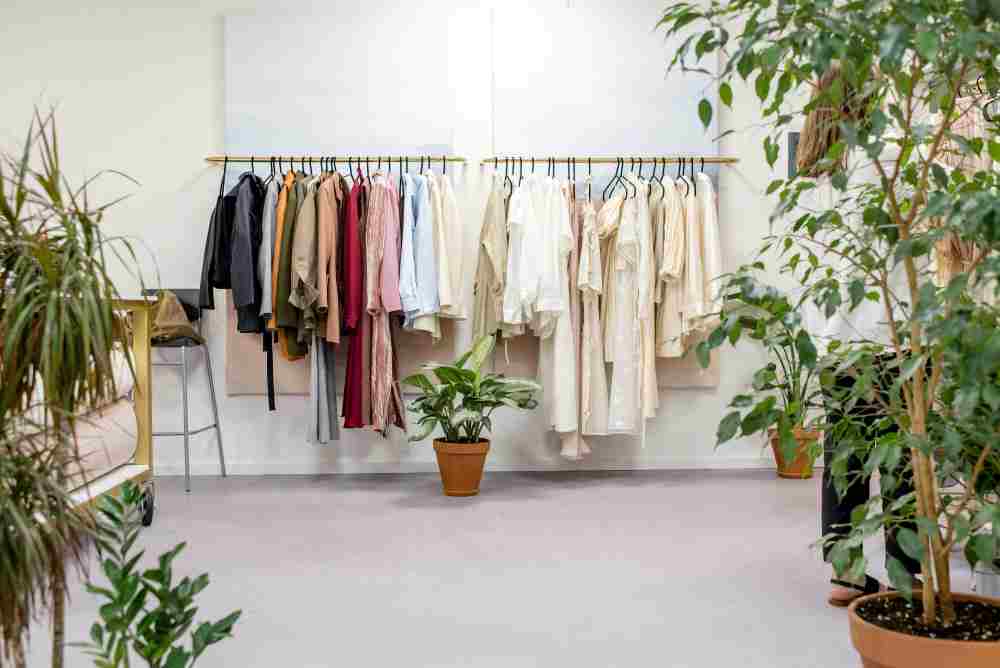
Sustainability is reshaping the U.S. clothing industry. More consumers are asking questions about where their clothes come from, how they’re made, and what impact they have on the environment.
Brands like Everlane, Reformation, and Patagonia are leading the charge with transparent, eco-friendly practices and sustainable materials.
Consumers appreciate brands that care about people and the planet. For marketers or shoppers, this means that “eco” isn’t just a buzzword anymore — it’s a lifestyle.
Seasonal Clothing Trends in the U.S.
The U.S. is known for its four distinct seasons, each bringing its own fashion trends and wardrobe essentials. Here’s a look at what Americans wear throughout the year.
Spring (March–May)
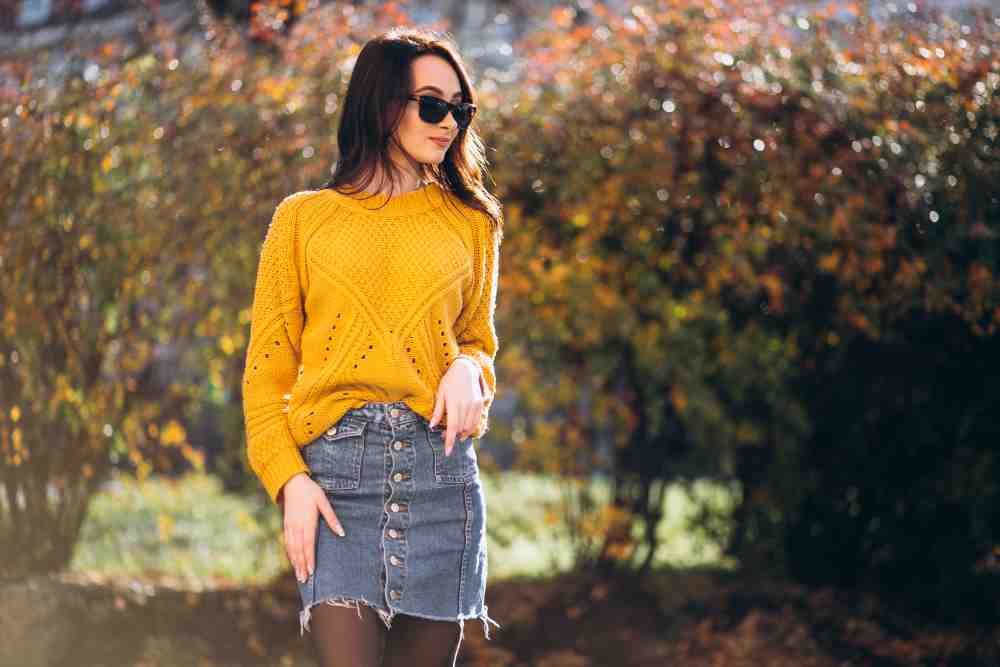
Spring is about renewal and color. Pastel tones, lightweight jackets, and floral patterns dominate. Popular items include:
- Denim jackets
- Chinos and light trousers
- Midi dresses
- Cotton shirts
Fashion Tip: Mix comfort with freshness. Think breathable fabrics and soft tones.
Summer (June–August)

Summer fashion is all about keeping cool. Lightweight fabrics, loose fits, and bright colors define this season.
Top Picks:
- T-shirts and tank tops
- Linen shirts and shorts
- Sundresses
- Sandals and sneakers
Fashion Tip: Cotton and linen are your best friends. Always prioritize breathability.
Fall (September–November)

Fall fashion is cozy, layered, and colorful. As temperatures drop, people turn to comfortable yet stylish pieces.
Top Picks:
- Sweaters, hoodies, and cardigans
- Jeans and corduroy pants
- Scarves and boots
Fashion Tip: Layer smartly — it adds both warmth and style. Earth tones and neutrals dominate this season.
Winter (December–February)

Winter fashion is about warmth, durability, and layering.
Top Picks:
- Wool coats, parkas, and puffers
- Thermal wear
- Gloves, hats, and scarves
Fashion Tip: Don’t sacrifice style for warmth. Combine function with fashion — for example, pair a trench coat with sleek leather boots.
American Clothing Brands to Know
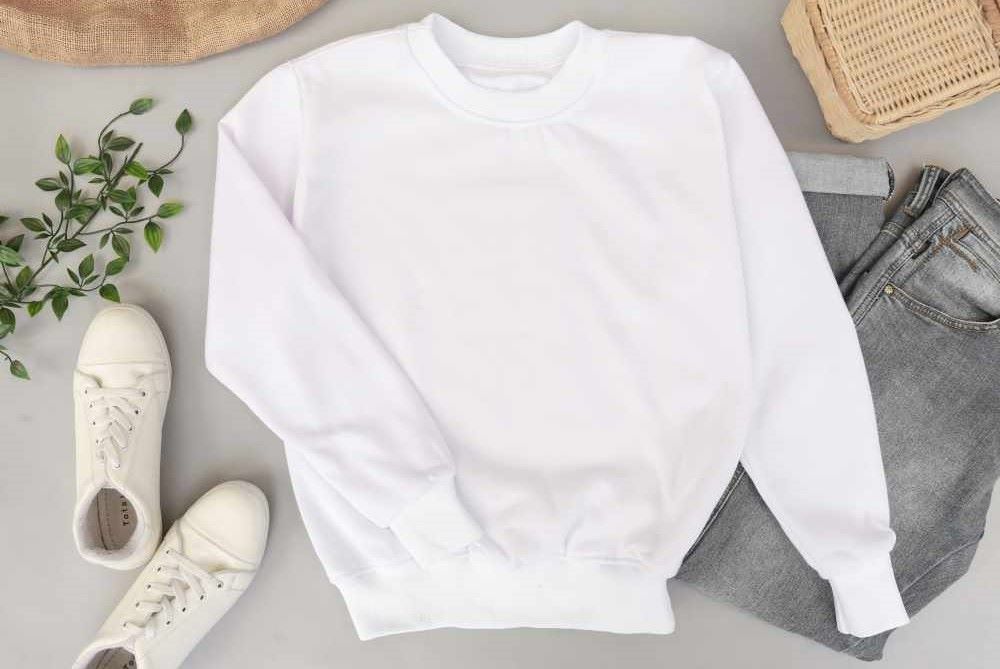
The U.S. fashion market features a rich mix of heritage and modern brands. Here are some of the most popular ones:
| Brand | Specialty | Why It Stands Out |
|---|---|---|
| Levi’s | Denim | Timeless, durable, and versatile |
| Nike | Sportswear | Innovative designs and global appeal |
| GAP | Everyday fashion | Classic American casualwear |
| Patagonia | Outdoor/Sustainable | Eco-friendly and long-lasting |
| Ralph Lauren | Luxury fashion | Sophisticated, elegant designs |
| Under Armour | Performance wear | Comfort and function for athletes |
| Tommy Hilfiger | Lifestyle wear | Preppy, stylish, and widely available |
| Shein | Fast fashion | Trendy and affordable styles for all ages |
| Calvin Klein | Modern classics | Minimalist designs and iconic branding |
These brands represent different aspects of American fashion — from timeless classics to modern trends.
Online Shopping and Fashion in the U.S.
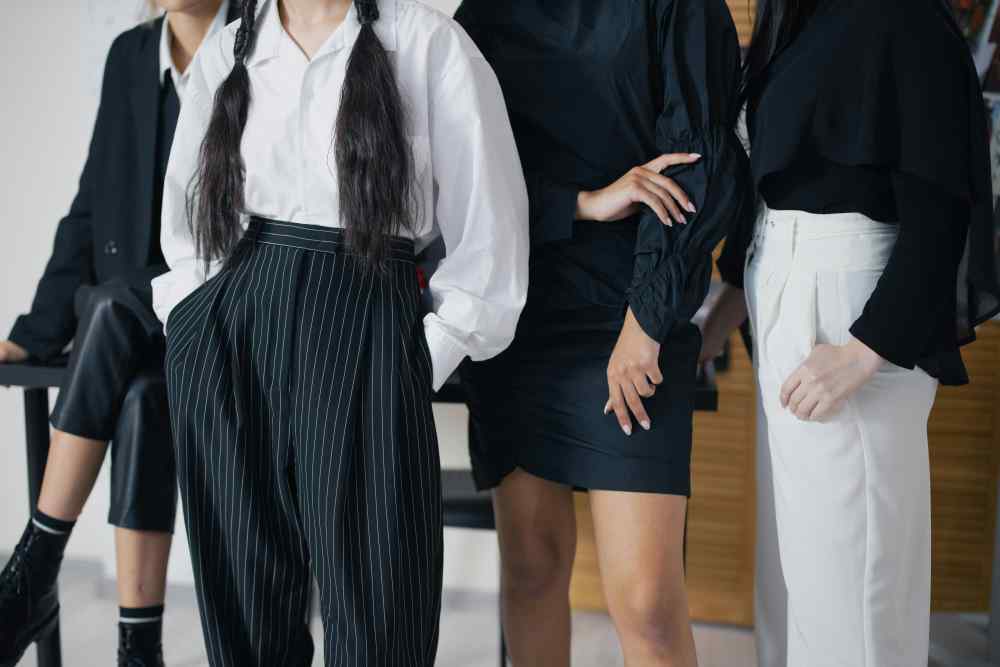
Online shopping has completely changed how Americans buy clothes. Instead of visiting malls, consumers now browse thousands of products online — comparing prices, reading reviews, and getting doorstep delivery.
Top Online Fashion Retailers in the U.S.:
- Amazon Fashion – A one-stop shop for all clothing categories.
- Macy’s – Trusted department store offering luxury and affordable brands.
- ASOS – Trendy global retailer with U.S. shipping.
- Nordstrom – Known for premium brands and excellent service.
- Revolve – Loved by influencers and young professionals.
Online shopping has also fueled affiliate marketing, where content creators recommend clothing and earn commissions through their links. This has turned fashion blogging and styling into profitable digital businesses.
Fashion and Technology: The Future of Clothing

Technology is transforming the way clothing is designed, produced, and sold. From smart fabrics that regulate temperature to AI-powered styling tools that suggest outfits, fashion is becoming more interactive and personalized.
Additionally, virtual fitting rooms and AR shopping tools are helping customers visualize how clothes look before buying — reducing returns and improving satisfaction. This combination of fashion and tech is the next big thing in the U.S. market.
Building a Smart Wardrobe
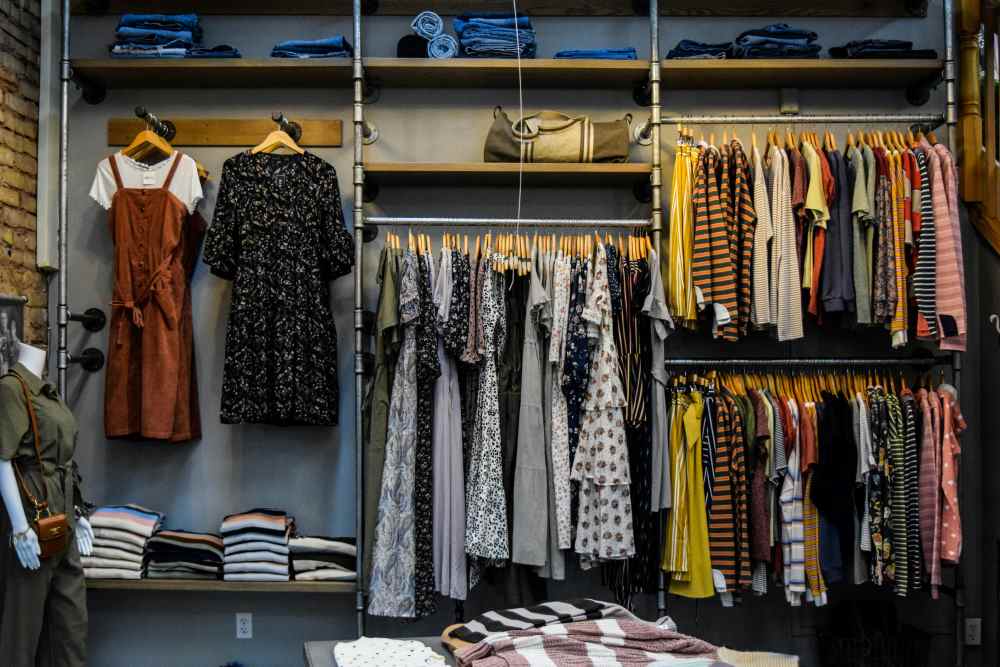
Fashion doesn’t have to mean owning hundreds of outfits. The best wardrobes are curated, not crowded. Here’s how Americans are simplifying fashion choices:
- Buy versatile pieces that can be mixed and matched.
- Invest in quality basics — jeans, plain shirts, and neutral outerwear.
- Add seasonal accents like scarves or jackets for variety.
- Avoid fast-fashion overload; choose timeless pieces that last.
A smart wardrobe saves time, money, and effort while keeping you stylish all year round.
Sustainable Shopping: A Growing Movement
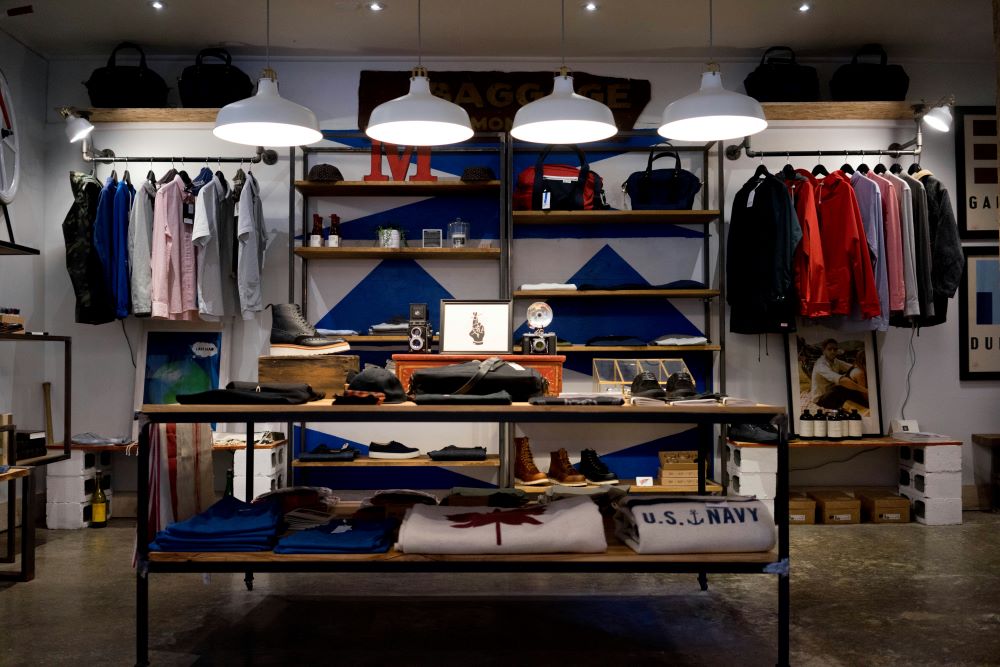
U.S. shoppers are becoming more conscious of their choices. Instead of buying cheap, short-lived clothing, many are investing in durable, ethically made products.
Ways to support sustainability:
- Buy fewer, better-quality clothes.
- Choose organic fabrics like cotton, hemp, or bamboo.
- Recycle or donate old clothing.
- Support transparent brands that prioritize fair labor and eco-friendly production.
This shift shows that fashion can be both stylish and responsible.
Conclusion: Clothing as an Expression of Modern American Life
Clothing in the United States is more than fabric and thread — it’s a reflection of freedom, diversity, and creativity. From everyday casual wear to sustainable fashion innovations, the American wardrobe tells the story of individuality and evolution.
As trends come and go, one truth remains: great style starts with confidence and authenticity. The right outfit doesn’t just change how you look — it changes how you feel and how the world sees you.
Whether you’re dressing for work, comfort, or self-expression, let your clothes tell your story. Because in fashion, as in life, what you wear should make you feel like the best version of yourself.