


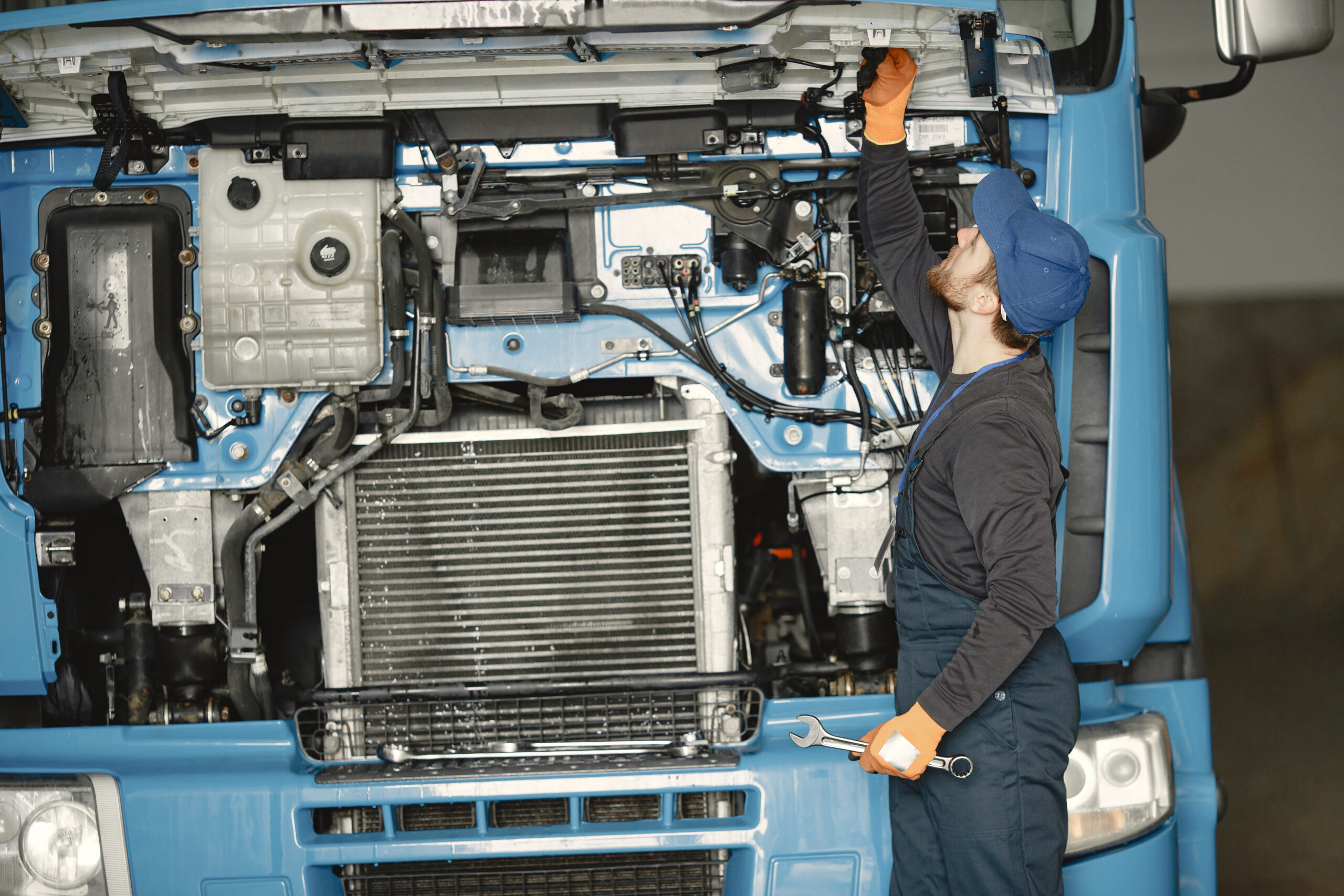
Trucks are big, strong machines built to haul loads, travel long distances, and work in tough conditions. To do all this, they need many different parts — each part has a job. If one part fails, it can affect safety, fuel efficiency, or how much load the truck can carry. In this post, we’ll explore some of the most important truck parts, what they do, and tips to keep them working well.
Engine and Related Components
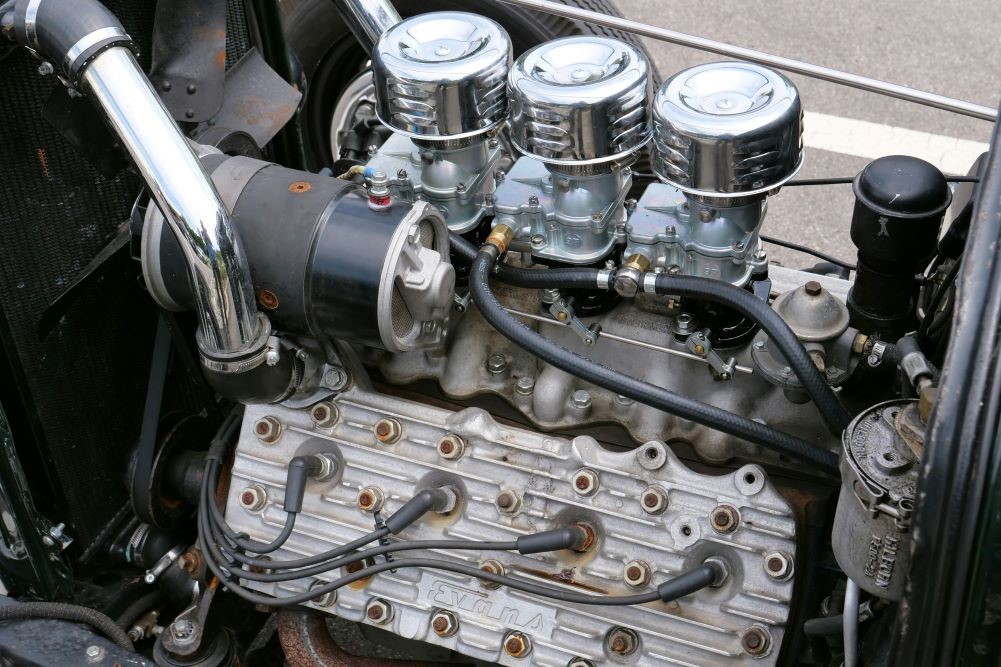
The engine is the heart of any truck. It converts fuel into power which moves the truck. Key parts inside or connected to the engine include:
- Pistons and Cylinders: Move up and down, compress the fuel-air mix, and power the truck.
- Fuel System (Pump, Injectors): Brings fuel into the engine.
- Cooling System (Radiator, Water Pump, Thermostat): Keeps the engine from overheating.
- Oil Pump & Lubrication System: Reduces friction and wear inside the engine.
When the engine parts are clean, properly lubricated, and cooled, the truck runs smoothly with less risk of breakdown.
Transmission, Drivetrain, and Axles
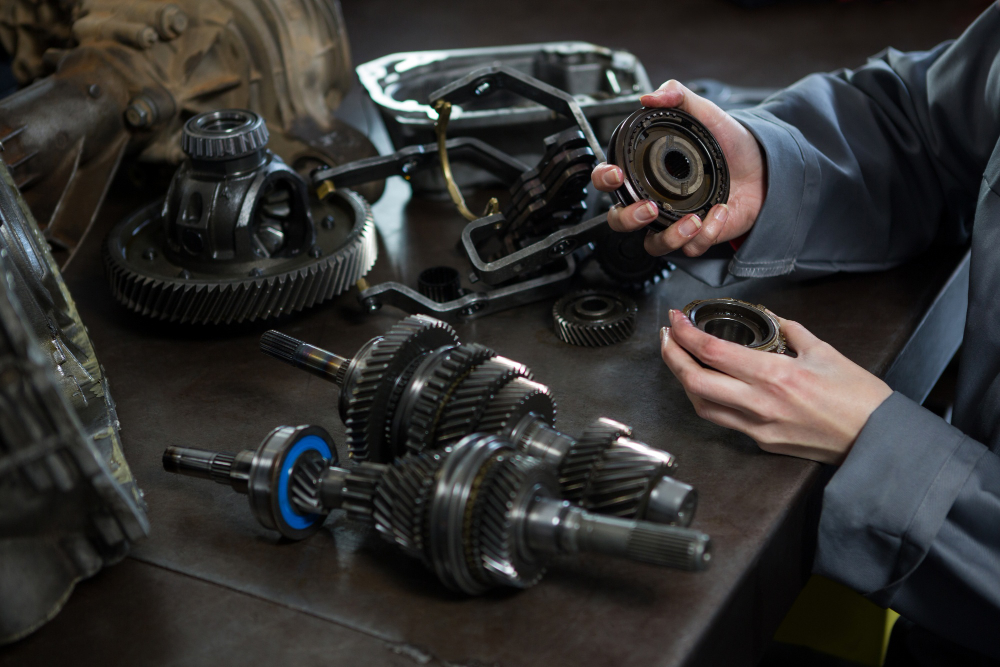
The power the engine creates must go to the wheels. That’s where the transmission, drivetrain, and axles come in.
- Transmission: Lets the truck shift gears. Higher gears for cruising, lower gears for more power (e.g. going uphill).
- Driveshafts: Transfer power from transmission to rear axle(s).
- Axles: Hold the wheels and help support the truck’s weight. Some trucks have simple single rear axle; big trucks may have tandem (two) or more axles.
Problems in the transmission or drivetrain can lead to slipping gears, poor acceleration, or inability to haul heavy loads.
Suspension & Steering System
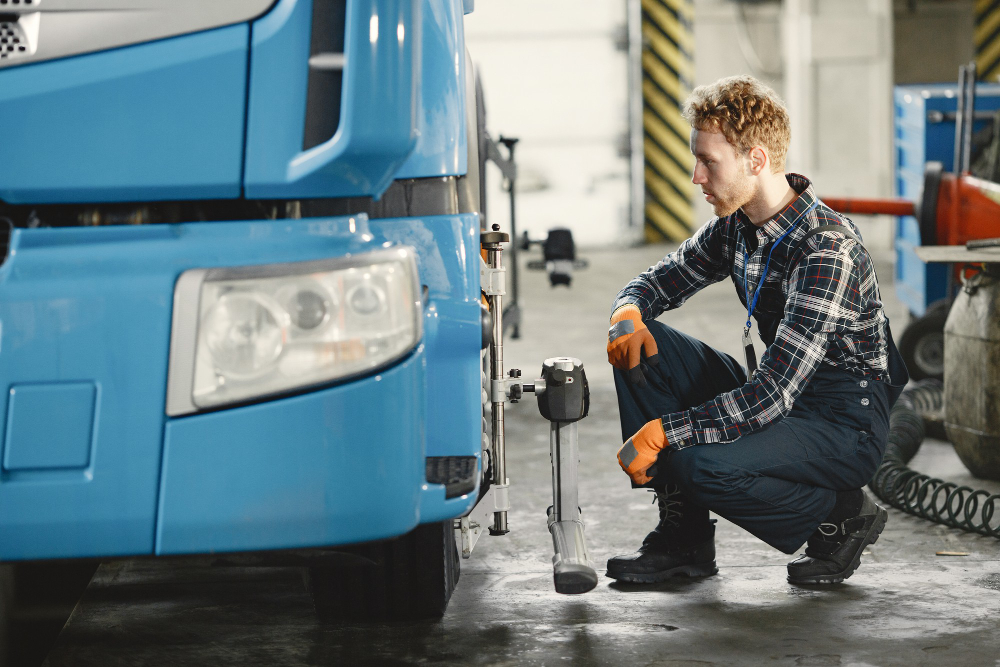
A truck’s ride quality, handling, and stability depend on suspension and steering.
- Springs (Leaf or Coil Springs): Support the weight of the truck and absorb shocks from bumps.
- Shock Absorbers / Struts: Smooth out rough roads by controlling spring motion.
- Steering Components (Steering Wheel, Column, Rack/Pinion or Steering Box, Tie Rods): Allow the driver to control the direction.
Good suspension and steering make for safer driving, especially when carrying heavy loads or driving on rough roads.
Braking System
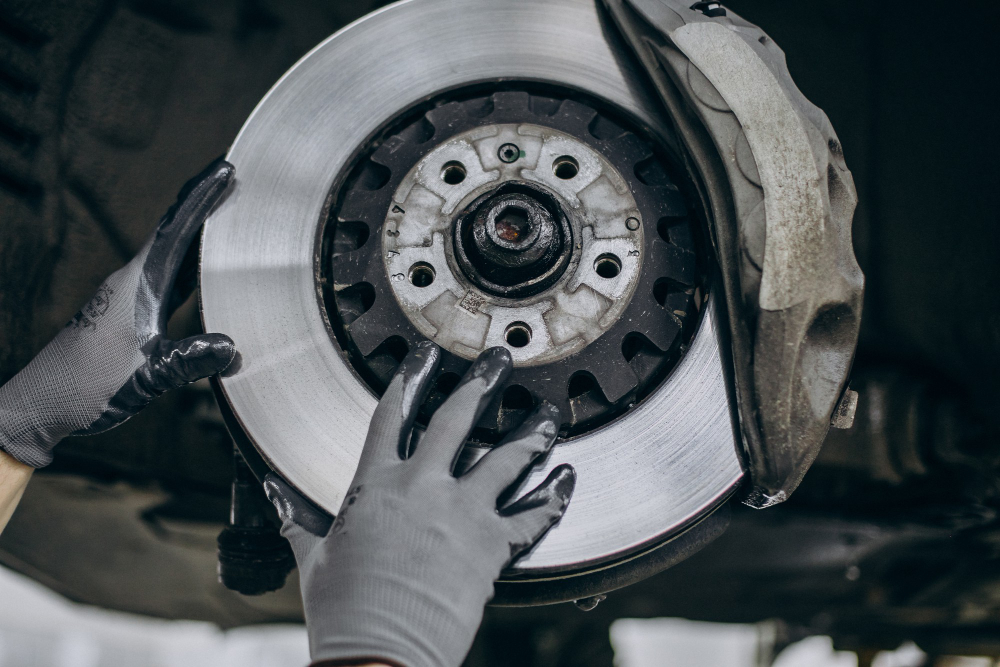
Stopping safely is just as important as going. Trucks are heavy, so they need strong, reliable brakes.
- Brake Pads / Shoes: Press against brake discs or drums to slow or stop the wheels.
- Brake Discs / Drums: Where the braking friction happens.
- Brake Lines and Fluids: Carry hydraulic pressure.
- Air Brakes (for larger trucks): Use compressed air instead of just hydraulic fluid.
If brakes are worn or low on fluid, stopping distance increases, which is dangerous. Regular inspection and maintenance of brakes are crucial.
Electrical System & Lighting
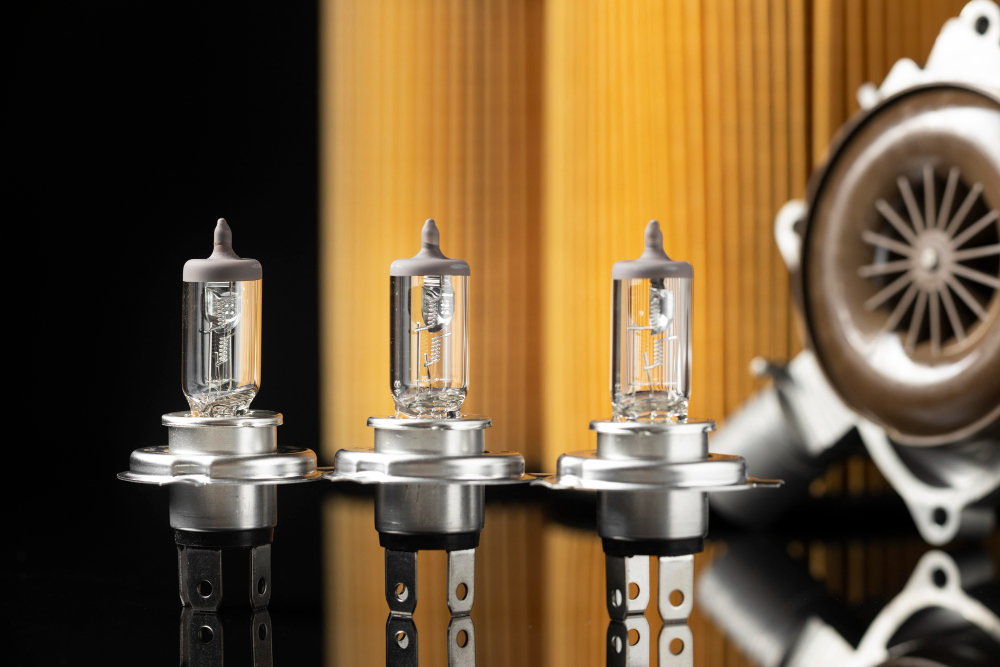
Modern trucks do more than haul cargo — they need lights, signals, sensors, and sometimes computers. Their electrical system support all of this.
- Battery: Stores electrical energy to start the engine and power accessories.
- Alternator: Recharges the battery when the engine is running.
- Wiring & Fuses: Connect parts safely.
- Lights (Headlights, Tail Lights, Brake Lights, Indicators): Required for safety and legal compliance.
A failure (like a bad battery or loose wire) can cause breakdown or problems with lights/signals, which can also be illegal or unsafe.
Fuel & Exhaust System
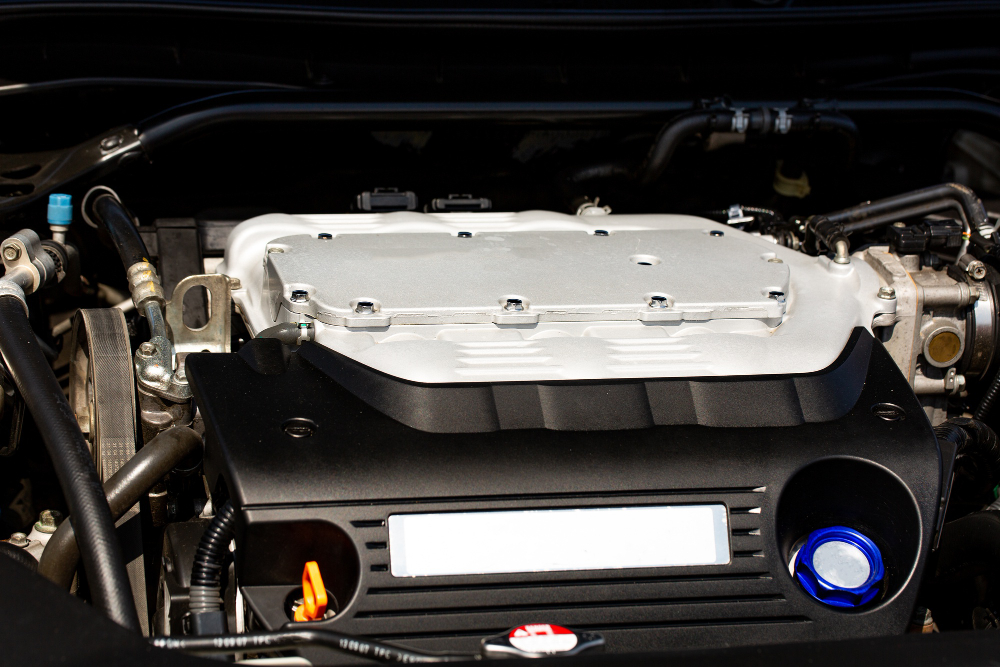
Truck engines burn fuel and produce exhaust. These systems must work well both for performance and environmental reasons.
- Fuel Tank & Lines: Store fuel and move it to the engine.
- Fuel Filters: Clean the fuel so dirt or debris doesn’t damage the engine.
- Exhaust Manifold, Muffler, Catalytic Converter: Guide exhaust gases away from engine, reduce noise, and remove harmful emissions.
Clogged filters or leaks in the exhaust can reduce power, increase fuel usage, or make the truck pollute more.
Cooling System & Thermal Control
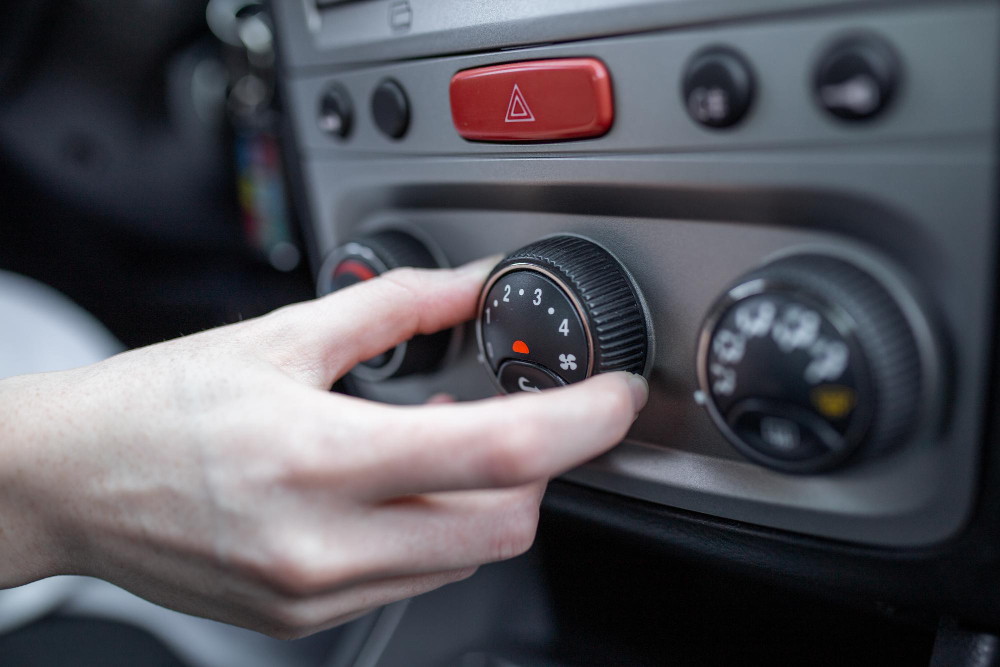
Running a big engine generates a lot of heat. Without a good cooling system, the engine could overheat and suffer serious damage.
- Radiator: Carries heat away from the engine.
- Water Pump: Moves coolant through the system.
- Thermostat & Fans: Regulate engine temperature.
- Coolant: Liquid that absorbs and carries heat.
Overheating can lead to blown gaskets, warped parts, or total engine failure — very expensive to fix.
Tires, Wheels & Chassis Frame

These are what connect the truck to the road and support all the weight.
- Tires & Wheels: Grip the road, carry load, absorb some shock. Good tread and correct air pressure are very important.
- Frame / Chassis: The backbone of the truck. All other parts are attached to it. A strong, undamaged frame keeps everything aligned.
If the frame is bent or wheels are misaligned, the truck may pull to one side, wear tires unevenly, or handle poorly.
Maintenance Tips: Keeping Truck Parts Healthy
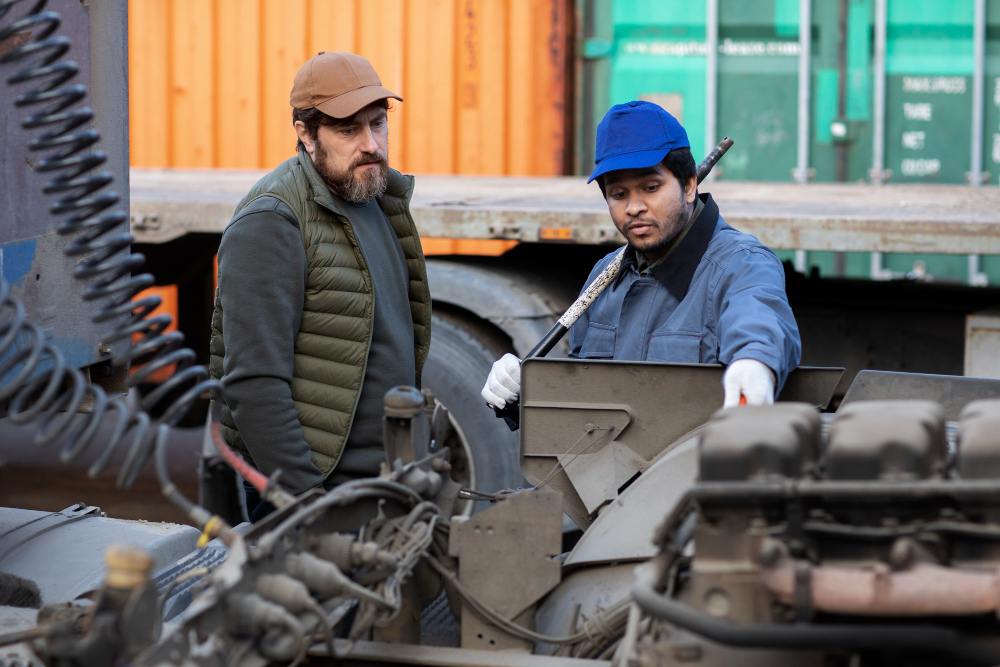
- Regular Inspections: Look for wear, leaks, loose parts.
- Timely Replacements: Brake pads, filters, fluids — replace per schedule.
- Use Proper Parts: OEM (Original Equipment Manufacturer) or high-quality aftermarket parts are safer and last longer.
- Keep It Clean: Dirt, salt, grime speed up wear and corrosion.
- Follow Load & Use Guidelines: Don’t overload; drive within limits so parts aren’t strained.
Conclusion
Trucks are complex machines made up of many parts — engine, transmission, brakes, cooling, fuel system, suspension, electrical, tires, and frame. Each part has a job that affects safety, performance, cost of operation, and how long the truck lasts. By understanding what each part does, you can spot problems early and take care of your truck in the right way.
If you make regular checks, use good-quality parts, and don’t push the truck beyond its limits, it will serve you well for years with fewer surprises. A little care goes a long way in keeping your truck running smoothly.