


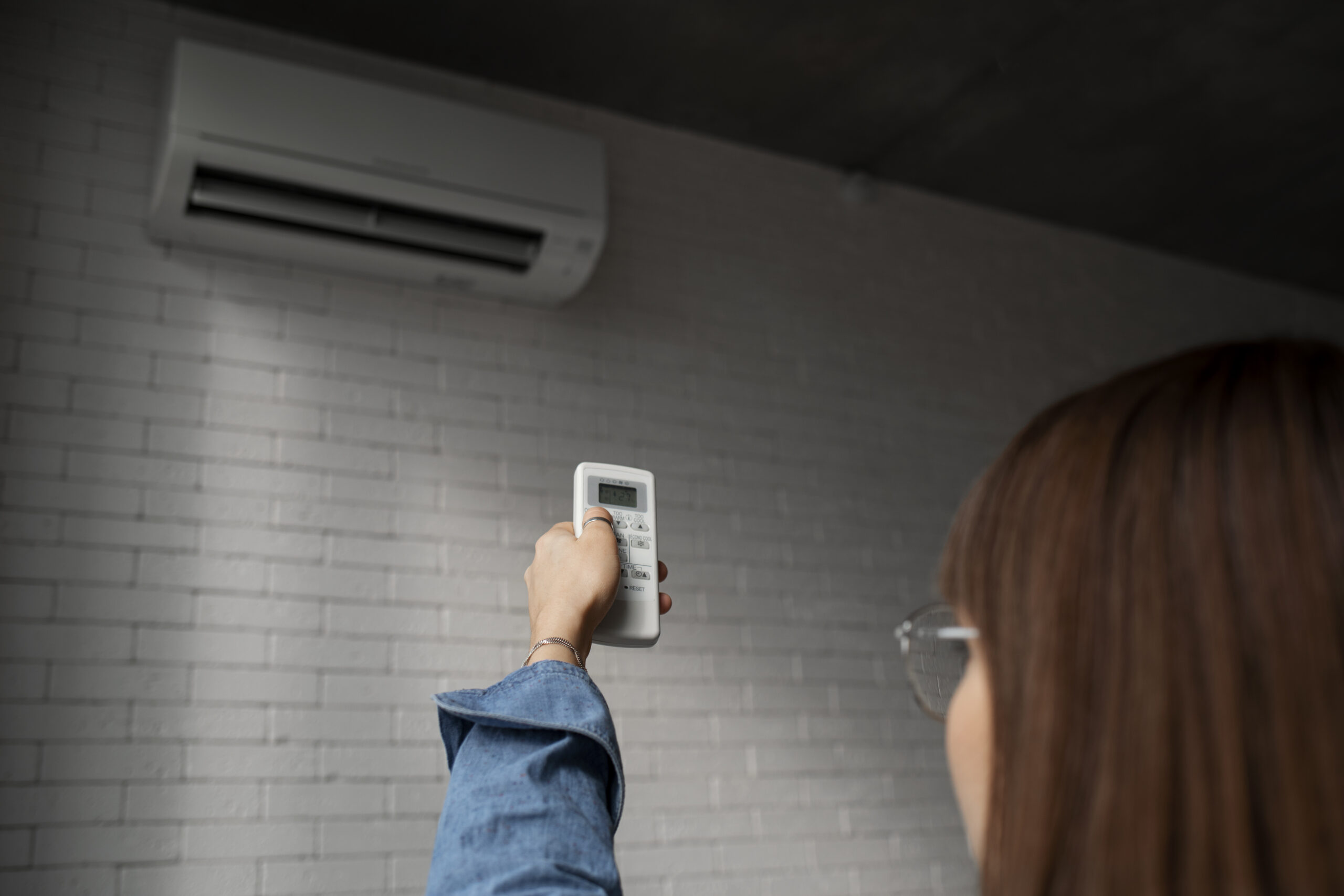
When the summer heat kicks in, nothing beats the refreshing relief of a well-functioning air conditioner (AC). Air conditioners have become indispensable in homes, offices, and public spaces across the globe, providing cool air and improved indoor air quality. But beyond just cooling, modern air conditioners offer many features and benefits you might not be aware of.
In this comprehensive guide, we’ll explore what an air conditioner is, how it works, the different types available, their benefits, energy-saving tips, and what to consider before purchasing one. Whether you’re thinking of installing an AC for the first time or upgrading your existing system, this blog will help you make a smart and informed decision.
What is an Air Conditioner?
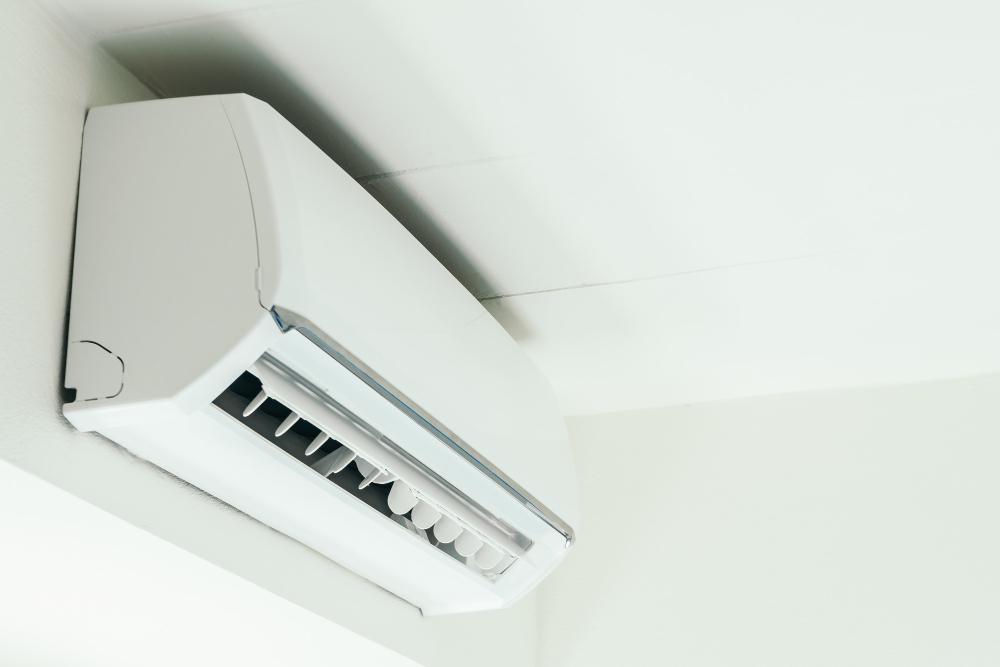
An air conditioner is a system or device designed to control the temperature, humidity, and air quality in an enclosed space. By removing heat and moisture from the air inside a room, it creates a cooler and more comfortable environment.
The basic function of an air conditioner is to transfer heat from inside your home or office to the outside, effectively lowering the indoor temperature. Modern AC units also filter and circulate air, improving overall air quality.
How Does an Air Conditioner Work?
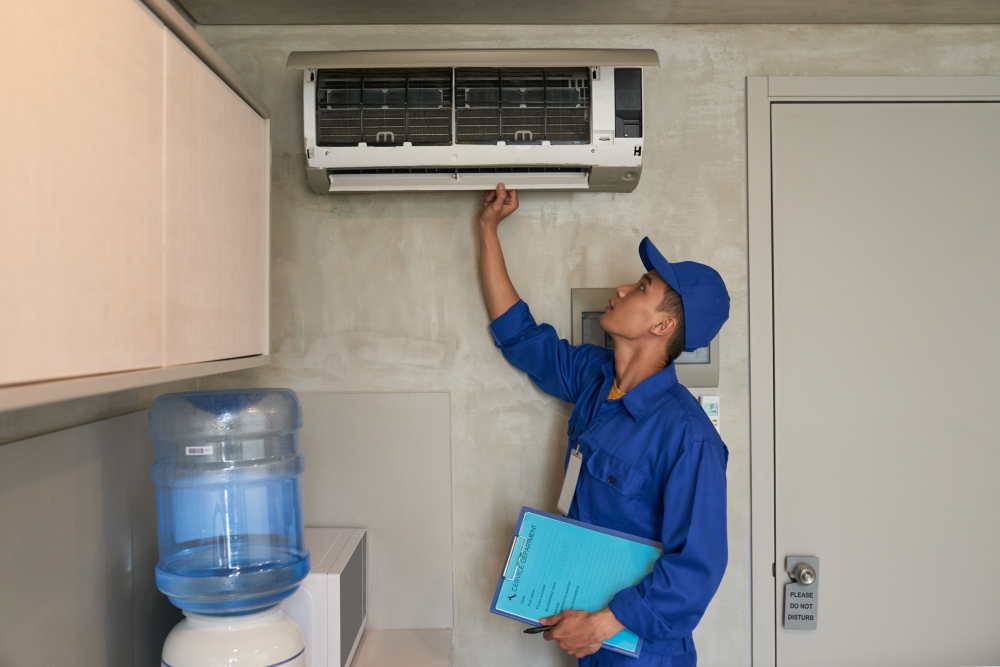
At the heart of an air conditioner is the refrigeration cycle, which involves several key components:
- Compressor: Compresses refrigerant gas and increases its pressure.
- Condenser Coil: Releases heat from the refrigerant to the outside air.
- Expansion Valve: Reduces the pressure of the refrigerant, cooling it down.
- Evaporator Coil: Absorbs heat from indoor air, cooling it down.
Here’s a simplified step-by-step:
- Warm indoor air is drawn into the AC unit.
- The evaporator coil absorbs heat from the air, cooling it.
- The refrigerant carries this heat to the compressor.
- The compressor pressurizes the refrigerant and sends it to the condenser coil.
- The condenser coil releases heat outside.
- The cooled air is circulated back into the room.
This continuous process keeps the indoor environment cool and comfortable.
Types of Air Conditioners
There are several types of air conditioners designed for different spaces and needs:
1. Window Air Conditioners
- Compact and self-contained units installed in a window.
- Ideal for single rooms or small spaces.
- Easy to install and relatively affordable.
2. Split Air Conditioners
- Consist of two parts: an indoor unit and an outdoor unit.
- Quieter and more energy-efficient than window units.
- Suitable for cooling larger rooms or multiple rooms.
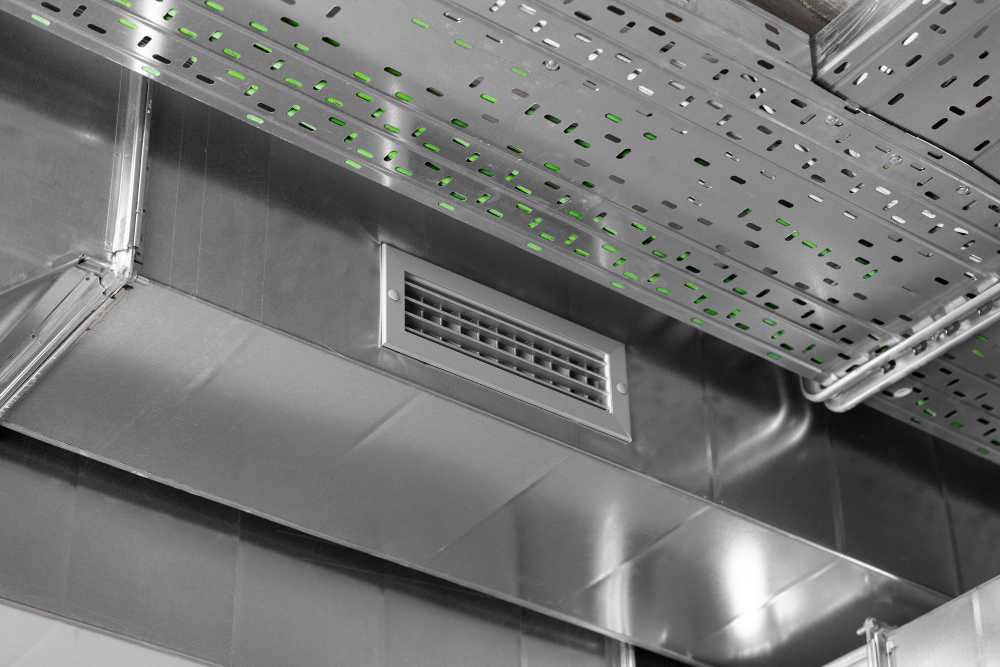
3. Central Air Conditioning Systems
- Designed for whole-house cooling.
- Uses ductwork to distribute cool air throughout the building.
- Higher installation cost but provides consistent cooling.
4. Portable Air Conditioners
- Mobile units that can be moved between rooms.
- Convenient for renters or spaces where permanent installation isn’t possible.
- Typically less efficient than window or split units.
Benefits of Using an Air Conditioner
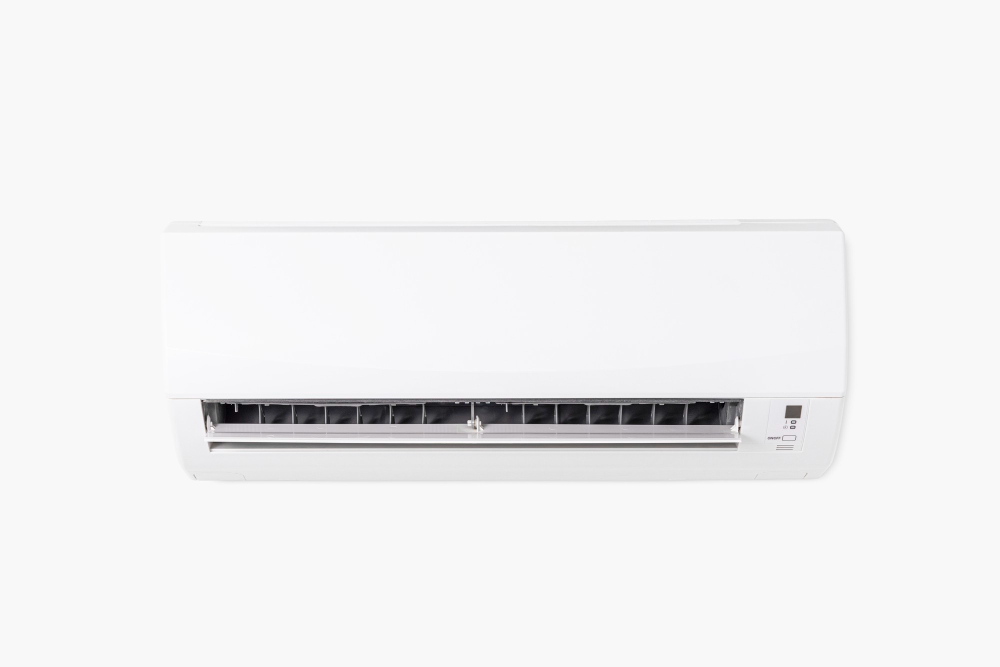
Air conditioners offer more than just cool air:
1. Comfort and Productivity
Cool indoor temperatures improve comfort, helping you relax and sleep better. In workplaces, air conditioning can increase productivity by providing a comfortable environment.
2. Improved Air Quality
Most modern AC units have filters that trap dust, allergens, and pollutants, enhancing indoor air quality and reducing respiratory problems.
3. Humidity Control
Air conditioners reduce indoor humidity levels, preventing mold growth and maintaining a comfortable environment.
4. Protection of Electronics and Furniture
Excess heat and humidity can damage electronics and warp wooden furniture. Air conditioning helps protect your valuables by maintaining a stable indoor climate.
Energy Efficiency and Saving Tips

While air conditioners provide great benefits, they can also consume significant energy. Here’s how to use your AC efficiently:
- Choose Energy-Efficient Models: Look for units with a high SEER (Seasonal Energy Efficiency Ratio) rating.
- Set the Thermostat Wisely: Keep it around 24-26°C (75-78°F) for optimal balance of comfort and energy use.
- Use Programmable Thermostats: Automate temperature settings to save energy when you’re away.
- Maintain Your Unit: Clean or replace filters regularly and schedule professional servicing.
- Seal Windows and Doors: Prevent cool air from escaping by sealing gaps.
- Use Fans: Ceiling or portable fans can help circulate cool air, reducing the AC workload.
What to Consider Before Buying an Air Conditioner
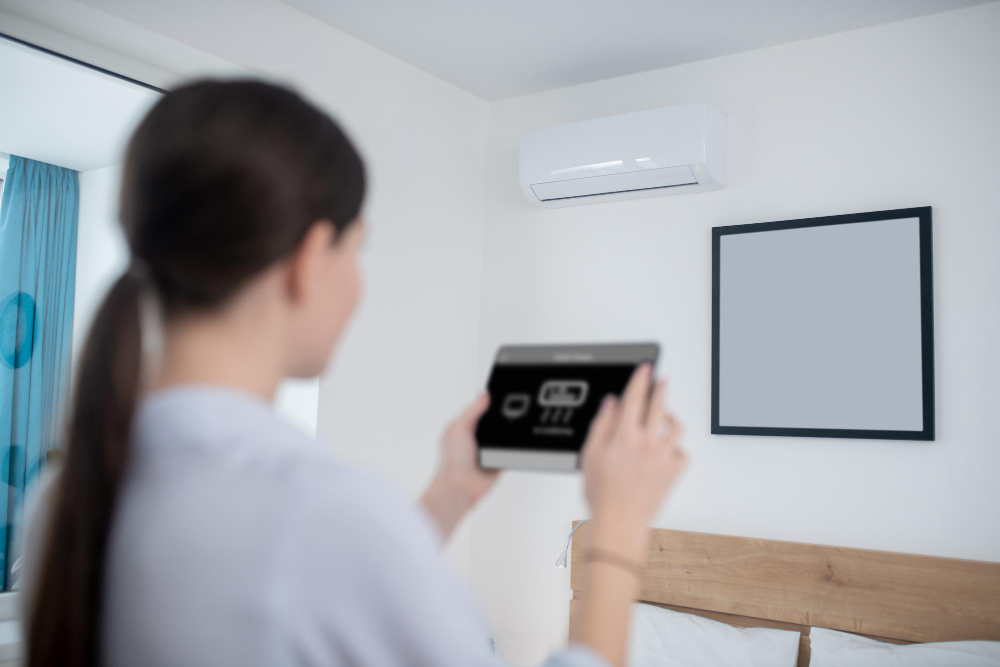
Purchasing the right air conditioner depends on several factors:
1. Room Size
Measure the square footage of the room you want to cool. Larger rooms require more powerful units.
2. Energy Efficiency
Look for energy star ratings and efficiency labels to save on electricity bills.
3. Installation Requirements
Window units are easier to install but might block your window view. Split systems need professional installation but offer better aesthetics and performance.
4. Budget
Consider upfront cost, installation fees, and operating costs over time.
5. Features
Some models offer additional features like air purifiers, dehumidifiers, smart controls, and quiet operation.
Maintenance Tips for Your Air Conditioner

Keeping your AC in good shape will extend its lifespan and improve performance:
- Clean or replace filters every 1-3 months.
- Clear debris around the outdoor unit.
- Schedule annual professional maintenance.
- Check for leaks in refrigerant lines.
- Keep vents and registers clean and unblocked.
Conclusion
An air conditioner is more than just a luxury — it’s a necessity in many climates for comfort, health, and productivity. By understanding how air conditioners work, the types available, and how to use them efficiently, you can make a smart choice that fits your lifestyle and budget.
Whether you choose a compact window unit or a whole-house central system, investing in a quality air conditioner can dramatically improve your indoor environment and quality of life. Remember to factor in energy efficiency and regular maintenance to maximize benefits and minimize costs.
Stay cool, comfortable, and healthy all year round with the right air conditioning solution!