


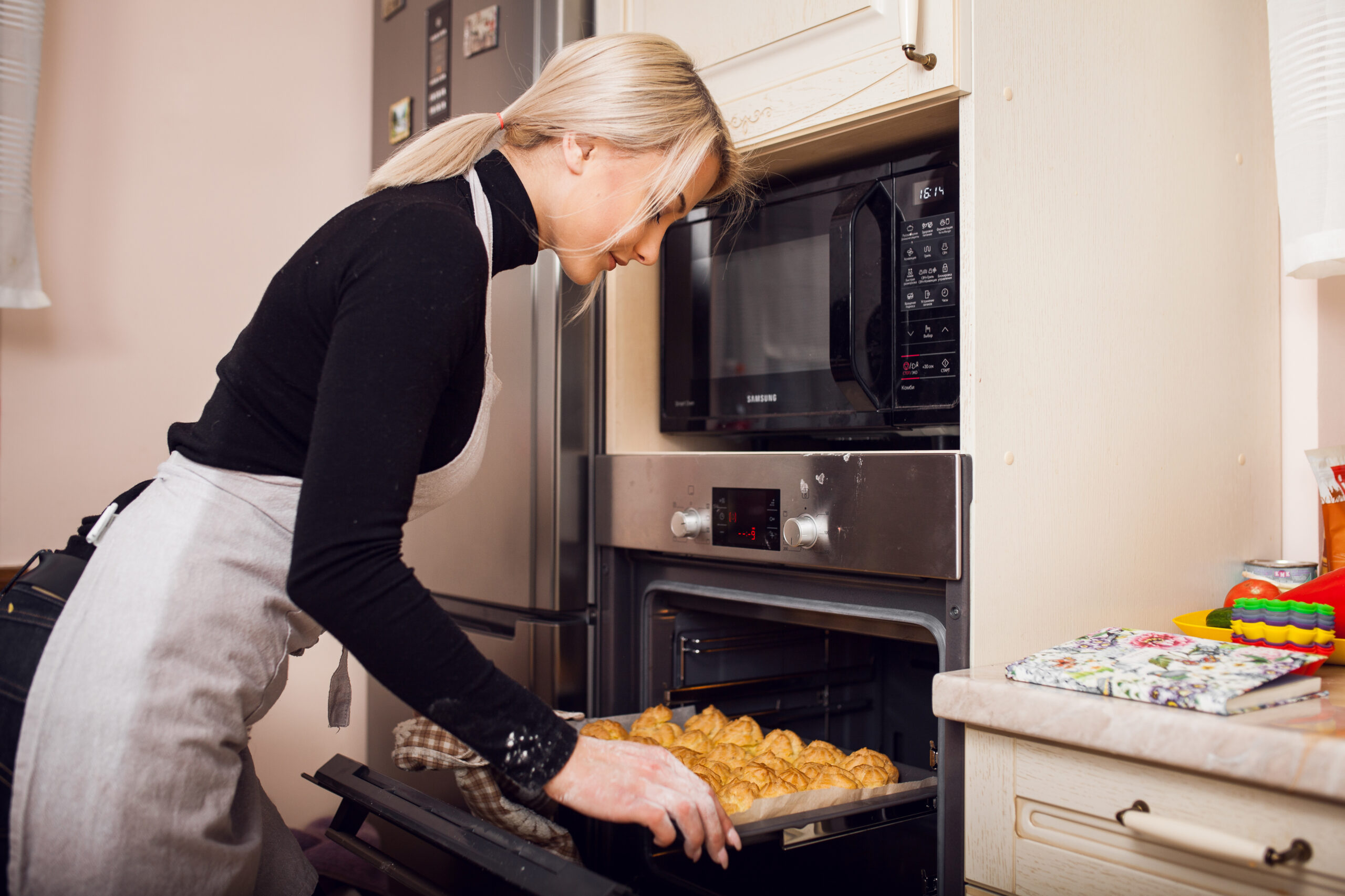
In today’s fast-paced lifestyle, the microwave has become one of the most essential kitchen appliances. From reheating leftovers and defrosting frozen foods to preparing entire meals, microwaves offer speed, convenience, and versatility. Despite their widespread use, many people still don’t fully understand how microwaves work, what features to look for, or how to use them efficiently and safely.
In this comprehensive guide, we’ll explore the inner workings of a microwave, its types, benefits, safety tips, and what to consider before buying one. Whether you’re looking to upgrade your kitchen or are a first-time buyer, this blog will help you make an informed decision.
What is a Microwave Oven?
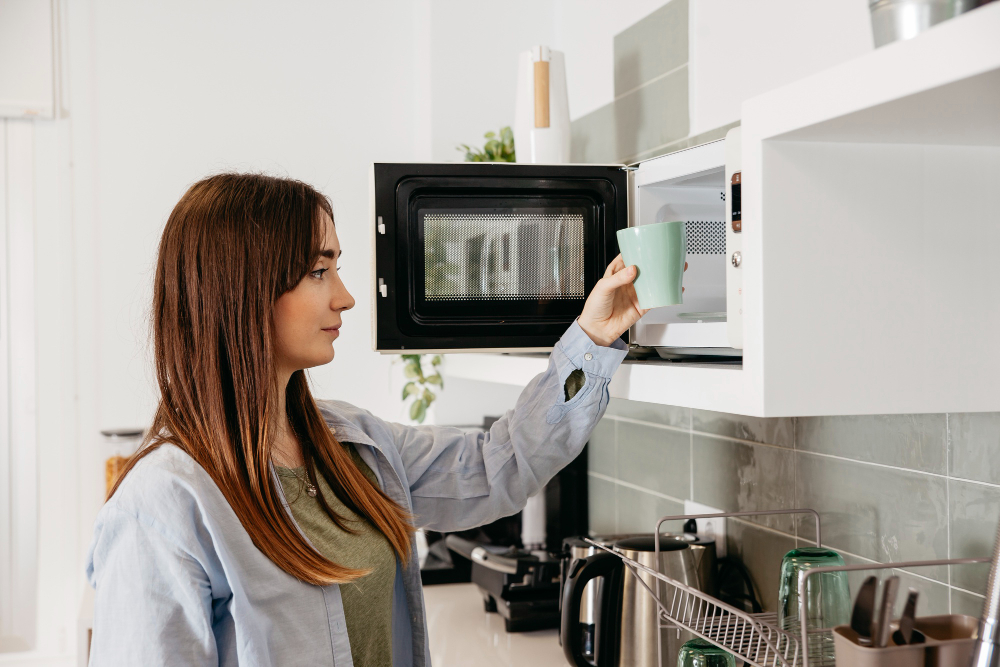
A microwave oven is a kitchen appliance that uses microwave radiation to heat and cook food. It was invented in the 1940s and gained popularity in the 1970s as a household device. Unlike conventional ovens that rely on conduction and convection heat, microwaves cook food using electromagnetic waves, which excite water molecules in the food, generating heat from within.
This method allows for faster and more efficient heating, especially for small portions or simple dishes.
How Does a Microwave Work?

The science behind a microwave oven is fascinating. Here’s a simplified explanation:
- Inside the microwave is a component called a magnetron, which converts electricity into high-frequency microwaves.
- These microwaves bounce around inside the oven’s metal interior.
- When they come into contact with food, they penetrate a few centimeters and cause water, fat, and sugar molecules in the food to vibrate.
- This vibration produces heat, which cooks the food from the inside out.
This process is why microwaves are especially effective at heating liquids and moist foods.
Types of Microwaves

Not all microwaves are created equal. There are several types of microwave ovens designed to suit different cooking needs:
1. Solo Microwave
- Best for: Reheating, defrosting, and simple cooking.
- Features: Basic functions; no grilling or baking.
- Ideal for: Students, singles, or anyone with minimal cooking needs.
2. Grill Microwave
- Best for: Reheating, grilling meat and vegetables.
- Features: Includes heating coils for grilling and toasting.
- Ideal for: Small families and those who like grilled dishes.
3. Convection Microwave
- Best for: Baking, roasting, grilling, and reheating.
- Features: Has a fan and heating element that allows cooking like in a regular oven.
- Ideal for: Serious home cooks and baking enthusiasts.
Advantages of Using a Microwave

Microwave ovens are incredibly versatile and offer a host of benefits:
1. Time-Saving
One of the main reasons people use microwaves is their speed. You can cook or reheat meals in just a few minutes, making it ideal for busy lifestyles.
2. Energy-Efficient
Microwaves consume less energy compared to gas stoves and electric ovens, especially when cooking small amounts of food.
3. User-Friendly
Most microwaves come with pre-set programs for specific foods like popcorn, pizza, vegetables, and beverages. This makes them easy to use even for those with little cooking experience.
4. Versatile
From cooking and baking to defrosting and steaming, modern microwaves can handle a wide range of tasks.
5. Safe and Clean
Unlike stovetops, there’s no open flame. Plus, spills and splatters are easier to clean in the microwave’s small compartment.
Common Uses of a Microwave
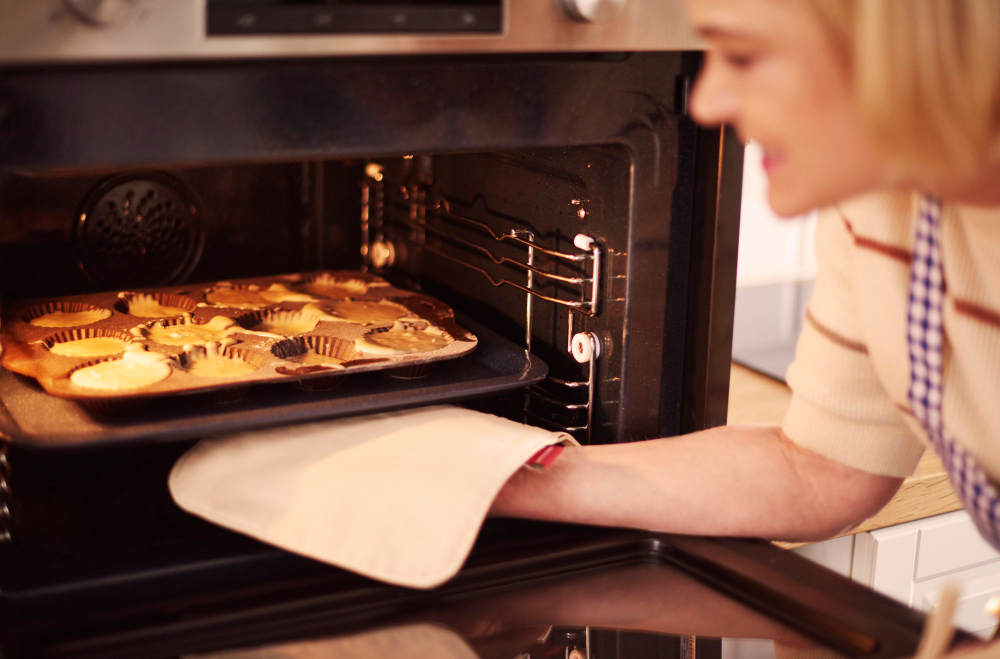
Here are some popular ways microwaves are used in daily life:
- Reheating: The most common use — great for leftovers and cold dishes.
- Cooking: You can cook eggs, pasta, rice, and even full meals.
- Defrosting: Quickly thaw frozen meat, vegetables, and bread.
- Baking: Convection microwaves can bake cakes, cookies, and pizza.
- Steaming: Easily steam vegetables while preserving nutrients.
Microwave Safety Tips
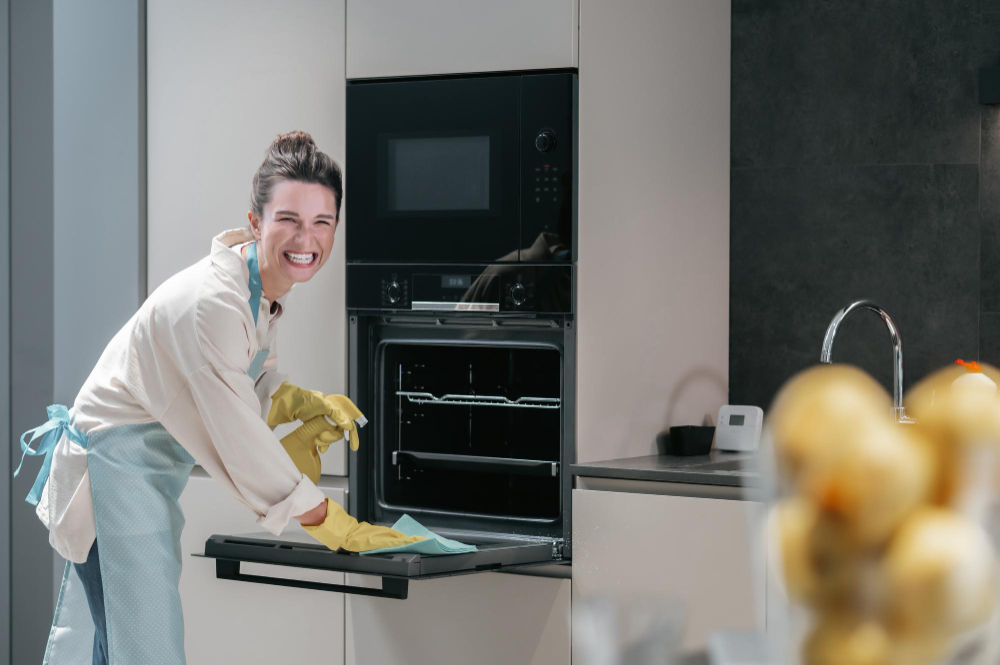
While microwaves are generally safe, improper use can lead to accidents or damage. Follow these tips to ensure safe and efficient use:
- Use Microwave-Safe Containers: Avoid metal, aluminum foil, and certain plastics that may melt or leach chemicals.
- Don’t Run Empty: Operating the microwave without food can damage internal components.
- Avoid Superheating Liquids: Liquids can heat beyond boiling without bubbling and may suddenly erupt. Let them sit before removing.
- Clean Regularly: Food splatter can absorb energy and cause burns or fires. Keep the interior clean.
- Be Cautious with Covered Containers: Steam buildup can cause explosions. Use vented lids or microwave-safe covers.
What to Consider When Buying a Microwave
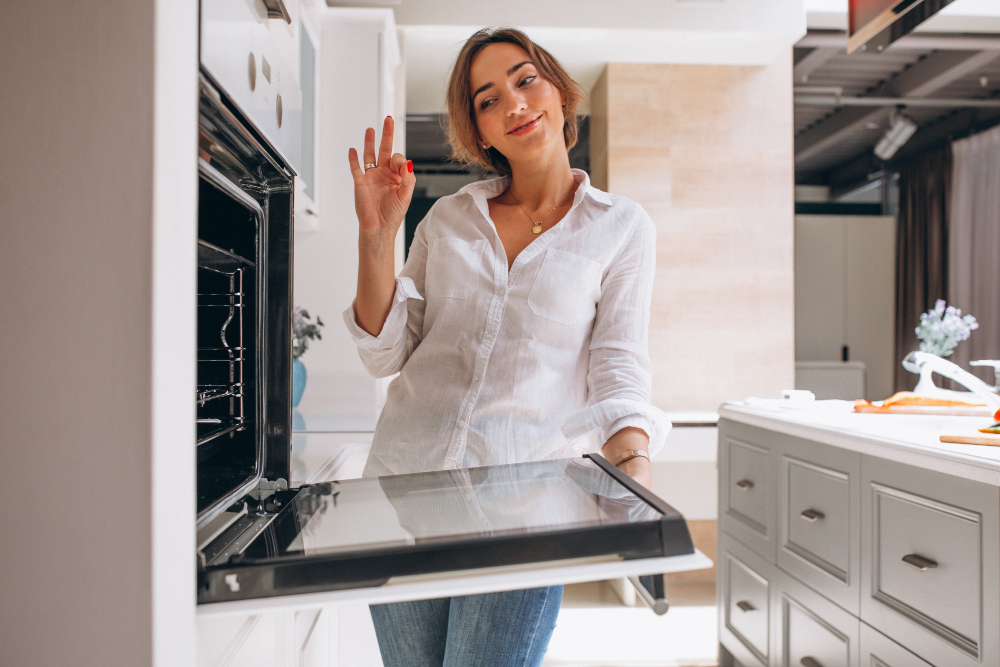
Before purchasing a microwave, think about your needs and kitchen setup. Here are a few factors to consider:
1. Size and Capacity
Microwaves come in various sizes, measured in liters:
- 15–20L: Ideal for individuals or couples.
- 20–30L: Suitable for small families.
- 30L+: Perfect for large families or heavy cooking.
2. Power (Wattage)
The higher the wattage, the faster the cooking time. Most microwaves range between 600–1200 watts.
3. Features
Look for features like:
- Auto-cook menus
- Child lock
- Timer and clock
- Defrost by weight/time
- Grill and convection settings
4. Brand and Warranty
Invest in a reliable brand with good after-sales service and a warranty of at least 1 year.
Microwave Cooking Tips for Better Results
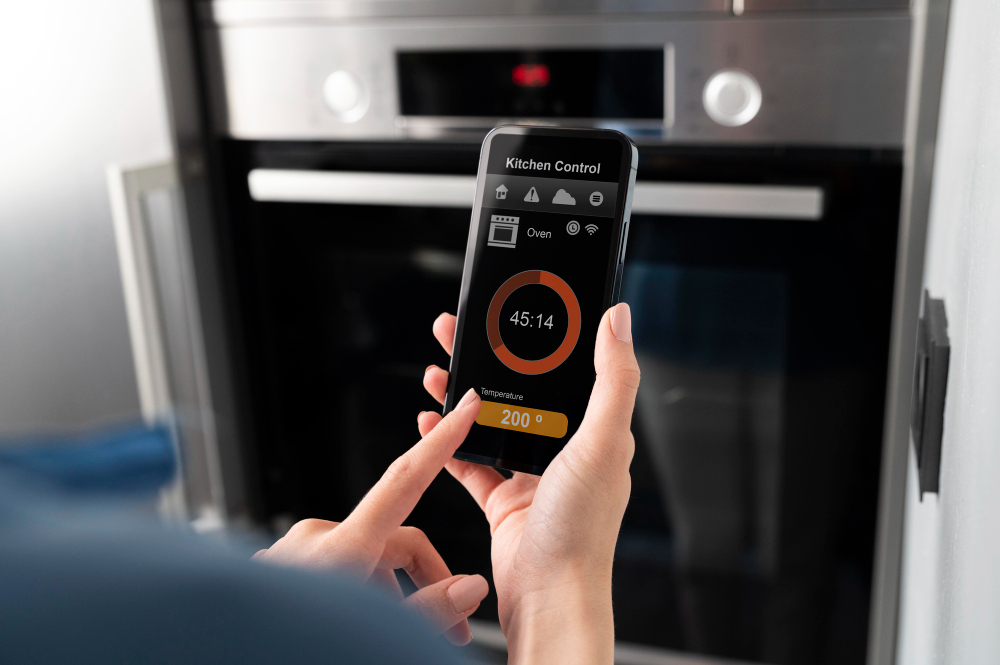
Want to get the most out of your microwave? Try these tips:
- Stir food halfway through cooking to avoid cold spots.
- Use a microwave cover to reduce splatter and cook food evenly.
- Let food rest for a minute or two after cooking — heat continues to distribute.
- Cut food into uniform pieces so it cooks at the same rate.
Conclusion
The microwave has come a long way from being a simple reheating tool. Today, it’s a smart, multi-functional appliance that can significantly improve your kitchen experience. Whether you’re a student looking for quick meals, a parent trying to simplify dinner time, or a baking enthusiast experimenting with new recipes, there’s a microwave out there that fits your needs.
With the right model and proper use, a microwave can save you time, energy, and effort — all while delivering tasty, evenly cooked food. So if you haven’t already, consider making the microwave a central part of your daily cooking routine.