


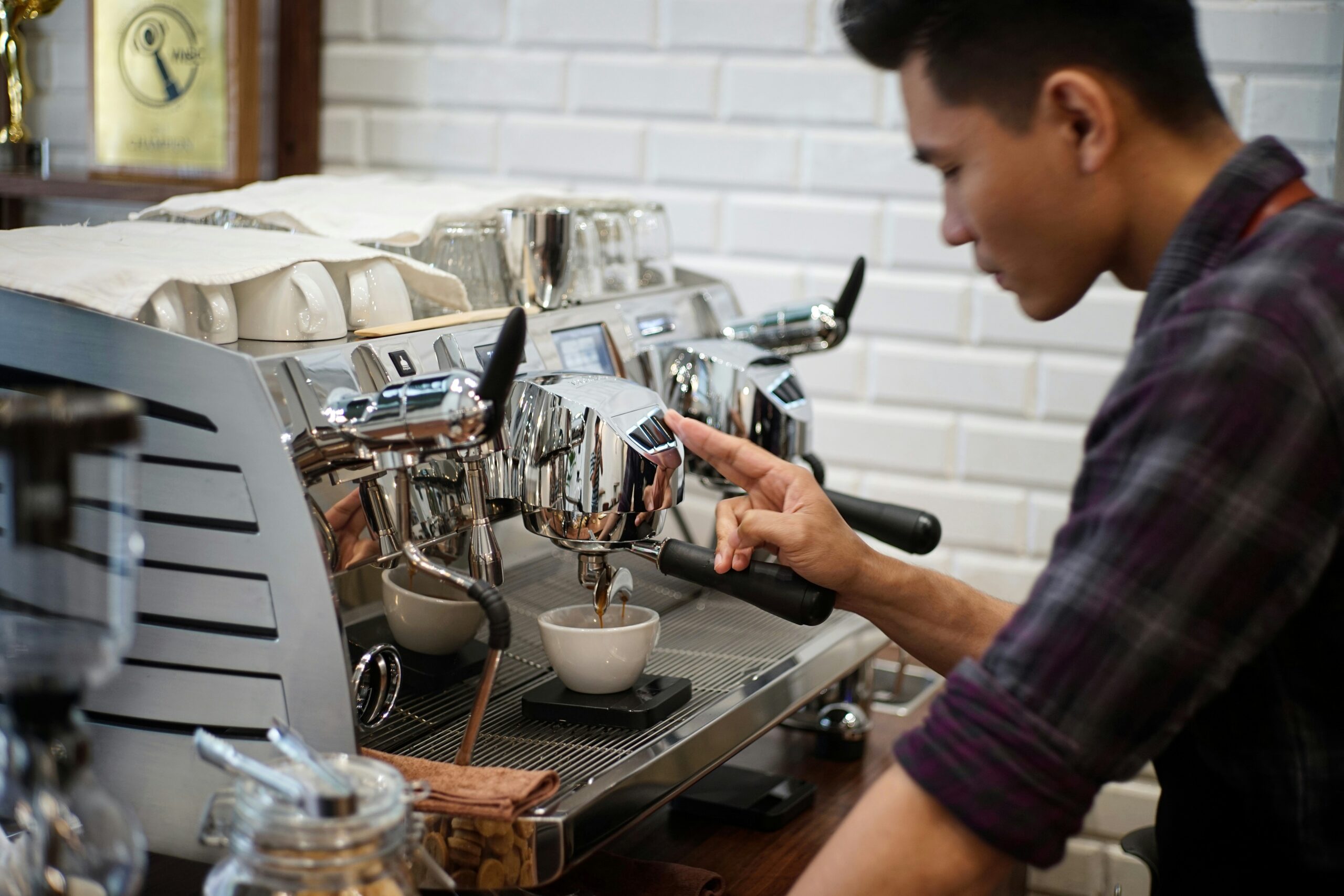
Coffee has become more than just a morning beverage; it is a ritual, a culture, and for many, a necessity. The aroma of freshly brewed coffee can transform a sluggish morning into a productive day. While coffee shops continue to thrive, the popularity of coffee machines has soared, bringing the café experience directly into homes, offices, and even travel setups. Whether you are a casual drinker or a connoisseur, understanding the different types of coffee machines, their features, and benefits can help you choose the perfect one for your lifestyle.
The Rise of Coffee Culture
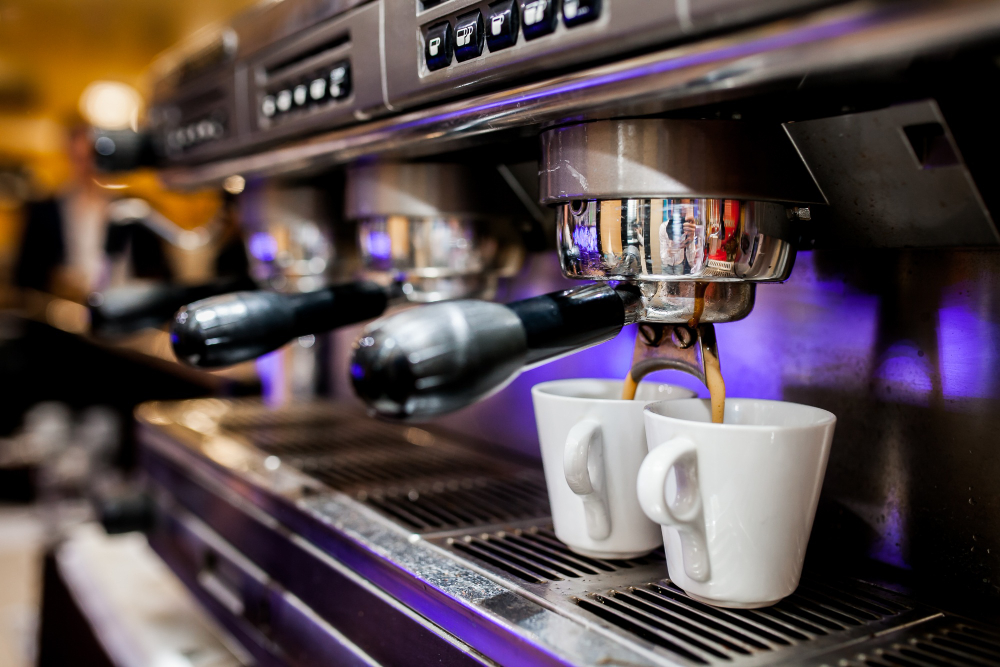
The love for coffee dates back centuries, but in the last few decades, it has taken on a new dimension. With the expansion of global café chains and the growth of specialty coffee, people are more conscious of the quality, flavor, and brewing methods of their coffee. This shift has created demand for home brewing systems that can match or even exceed the taste and consistency of a barista-made cup.
Enter the coffee machine—a household companion that brings convenience and customization into your daily routine. From simple drip makers to advanced espresso machines, coffee machines have evolved into diverse categories catering to different needs.
Types of Coffee Machines
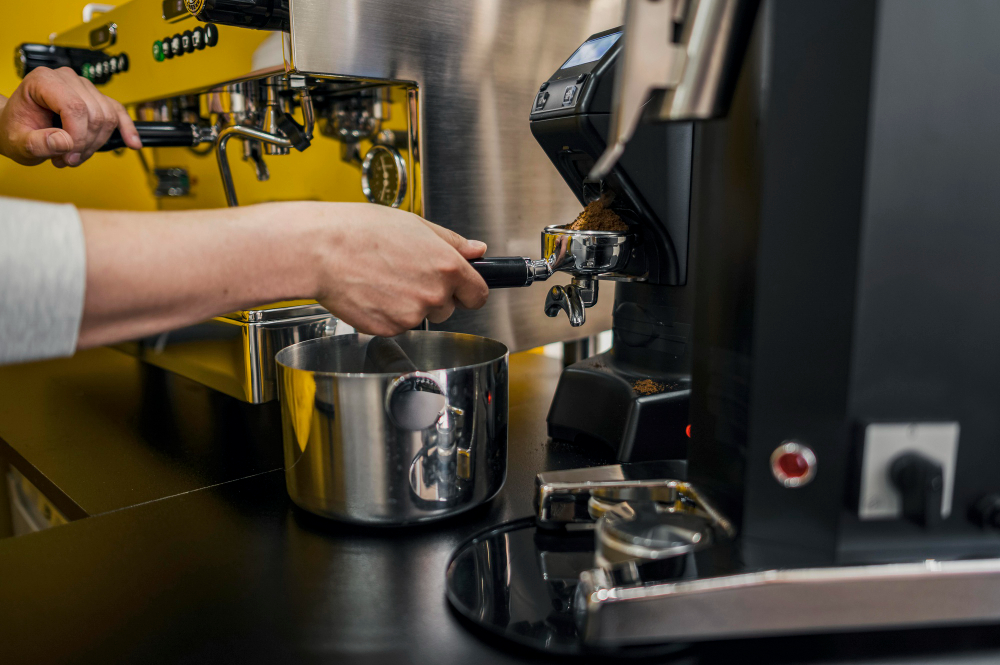
1. Drip Coffee Makers
These are the most common and user-friendly machines found in households worldwide. They work by dripping hot water over ground coffee, which then filters into a pot. Drip coffee makers are perfect for brewing multiple cups at once, making them ideal for families or offices. Modern models often include programmable timers, strength selectors, and warming plates.
2. Espresso Machines
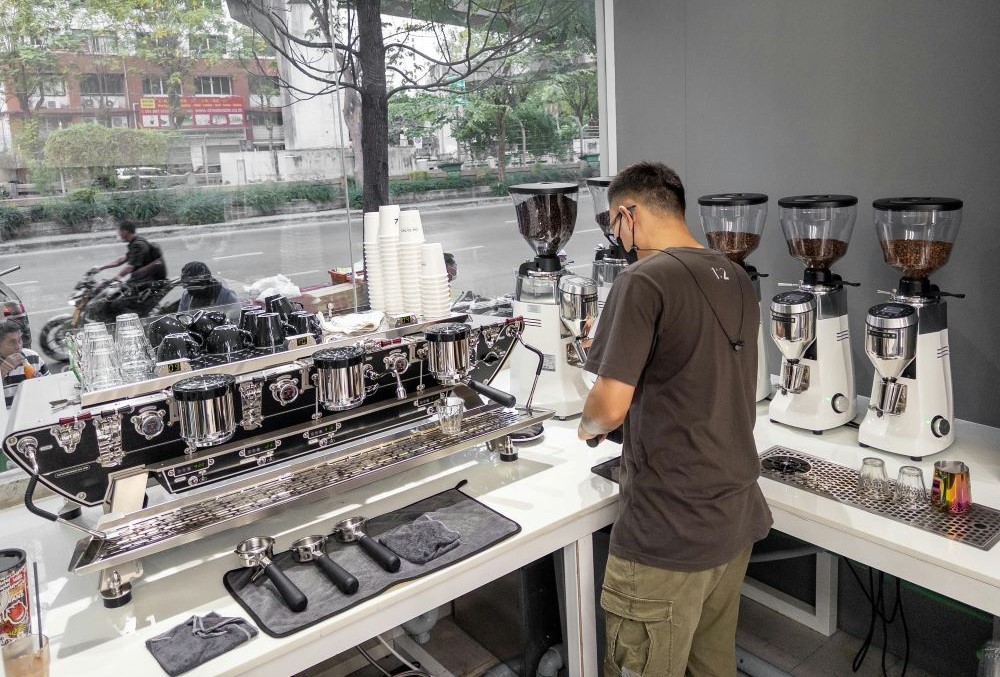
Espresso machines are the pride of coffee enthusiasts. By forcing hot water through finely ground coffee at high pressure, they create rich, concentrated espresso shots—the base for cappuccinos, lattes, and macchiatos. Espresso machines come in various forms: manual, semi-automatic, automatic, and super-automatic, each offering different levels of control over the brewing process.
3. Single-Serve Pod Machines
Known for their convenience, pod machines use pre-packaged coffee capsules or pods. They allow you to brew a cup quickly with minimal cleanup. Popularized by brands like Nespresso and Keurig, these machines are excellent for busy individuals who want consistency and speed. However, they are less eco-friendly due to the waste generated by pods.
4. French Press Machines
Technically not an electric machine, the French press is still a popular manual brewing method. It uses immersion brewing, where coffee grounds steep in hot water before being pressed down with a plunger. The result is a bold, flavorful coffee with natural oils preserved. Many coffee lovers keep a French press alongside their machines for a more artisanal touch.
5. Percolators
Once a household staple, percolators are less common today but still loved by those who enjoy strong, hot coffee. They cycle boiling water through coffee grounds multiple times, producing a robust brew. Modern electric percolators have updated features for better consistency.
6. Specialty Machines
Some machines combine multiple brewing methods, offering versatility for coffee lovers who like variety. These hybrids can brew espresso, drip coffee, and even froth milk. They tend to be more expensive but serve as all-in-one solutions for diverse coffee preferences.
Key Features to Look For in a Coffee Machine
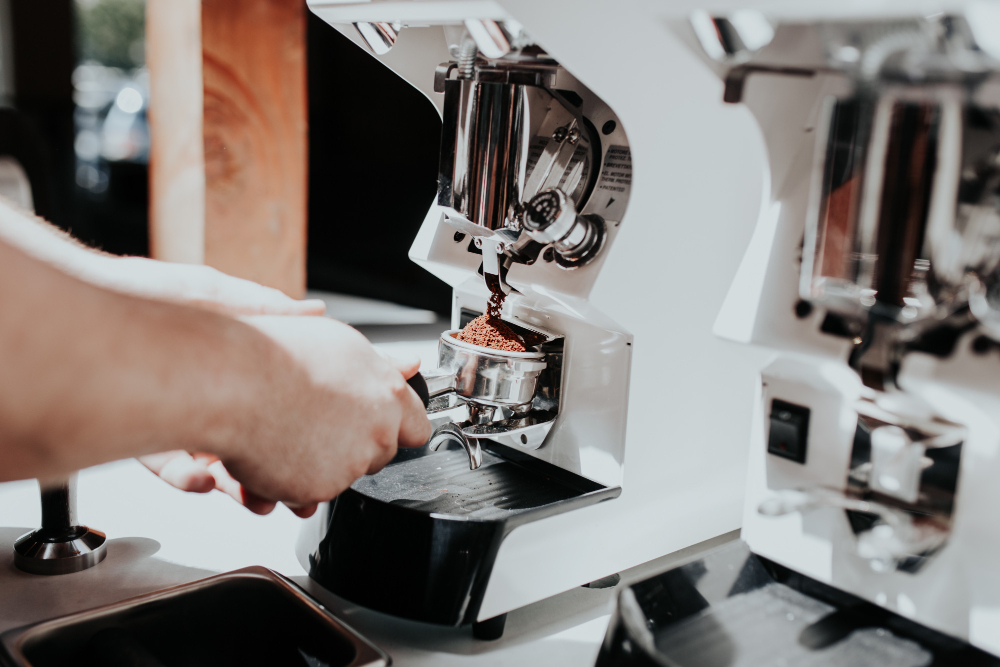
When buying a coffee machine, the choices can be overwhelming. Here are essential features to consider:
- Capacity: Do you usually brew one cup at a time, or do you need a full pot for the family?
- Ease of Use: Some machines require barista-like skills, while others work with the push of a button.
- Programmable Settings: Timers, brew strength options, and automatic shut-off add convenience.
- Size and Design: Consider counter space and whether you prefer a sleek, modern look or a compact model.
- Maintenance: Machines with removable parts or self-cleaning options make life easier.
- Cost of Ownership: Beyond the purchase price, factor in ongoing costs like coffee pods, filters, or beans.
The Benefits of Owning a Coffee Machine
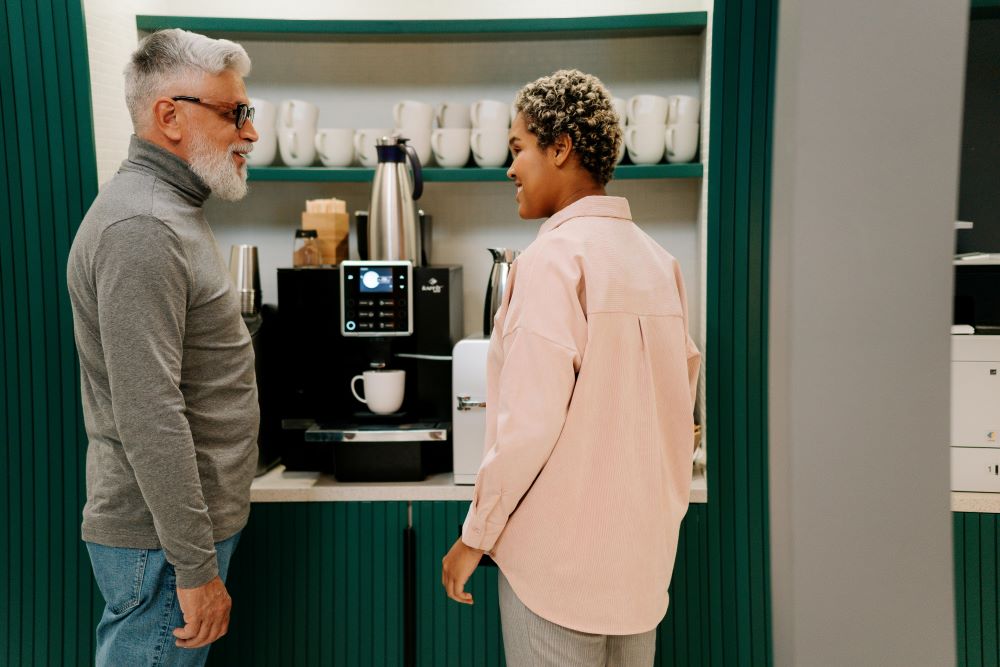
- Convenience: Nothing beats brewing coffee at home in minutes, especially on busy mornings.
- Cost Savings: Over time, making coffee at home can save hundreds compared to daily café visits.
- Customization: You control the strength, flavor, and milk-to-coffee ratio.
- Consistency: Machines ensure you get the same taste every time, something that can vary with manual brewing.
- Entertaining Guests: A quality coffee machine allows you to serve café-style beverages when hosting friends or family.
The Eco-Friendly Debate
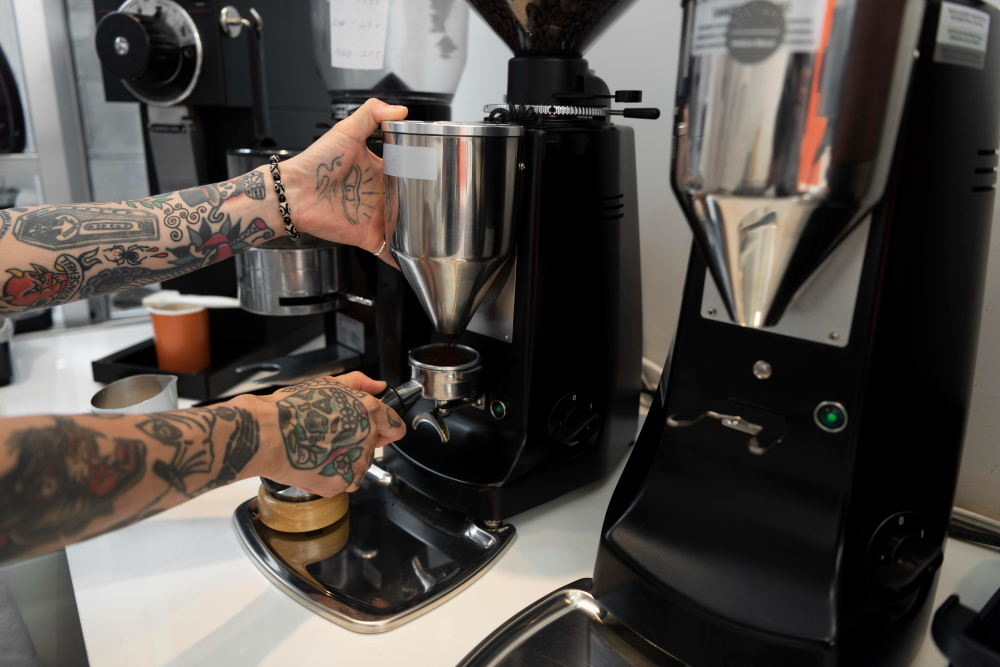
While coffee machines bring joy, they also raise questions about sustainability. Single-use pods, disposable filters, and energy consumption can have an environmental impact. Fortunately, many companies now offer recyclable pods, reusable filters, and energy-efficient machines. Conscious consumers are also turning to methods like French presses or investing in bean-to-cup espresso machines that reduce waste.
Coffee Machines in Offices and Workspaces
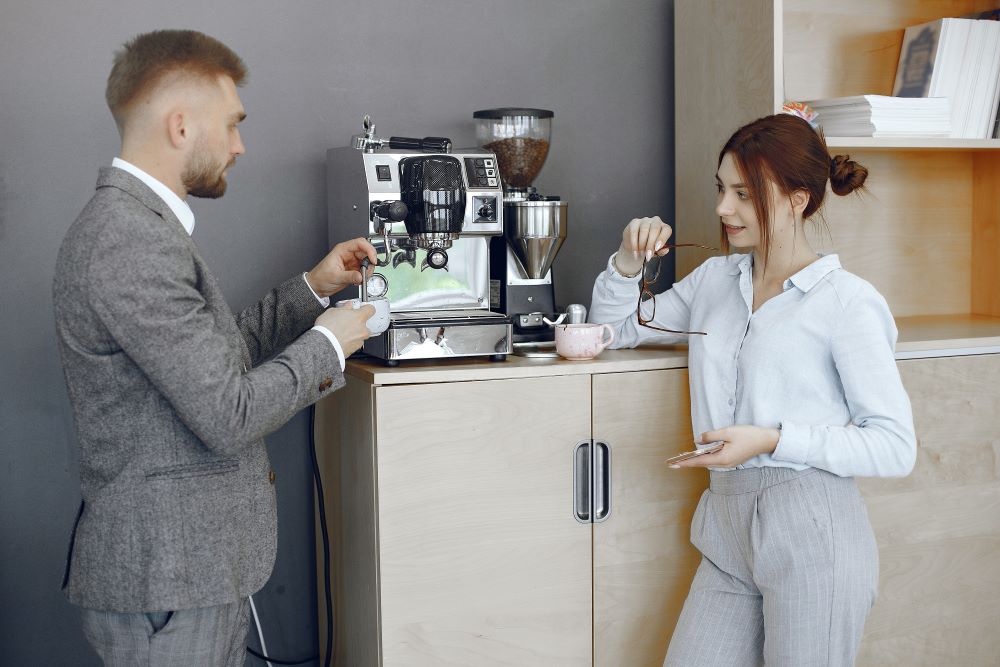
Coffee is often considered the fuel of productivity in workplaces. Offices with quality coffee machines not only boost employee morale but also reduce time spent on coffee runs. Machines like bean-to-cup espresso makers or large-capacity drip brewers are popular in corporate settings. By providing coffee on-site, businesses create a more welcoming and efficient work environment.
Coffee Machine Maintenance: Keeping the Brew Perfect
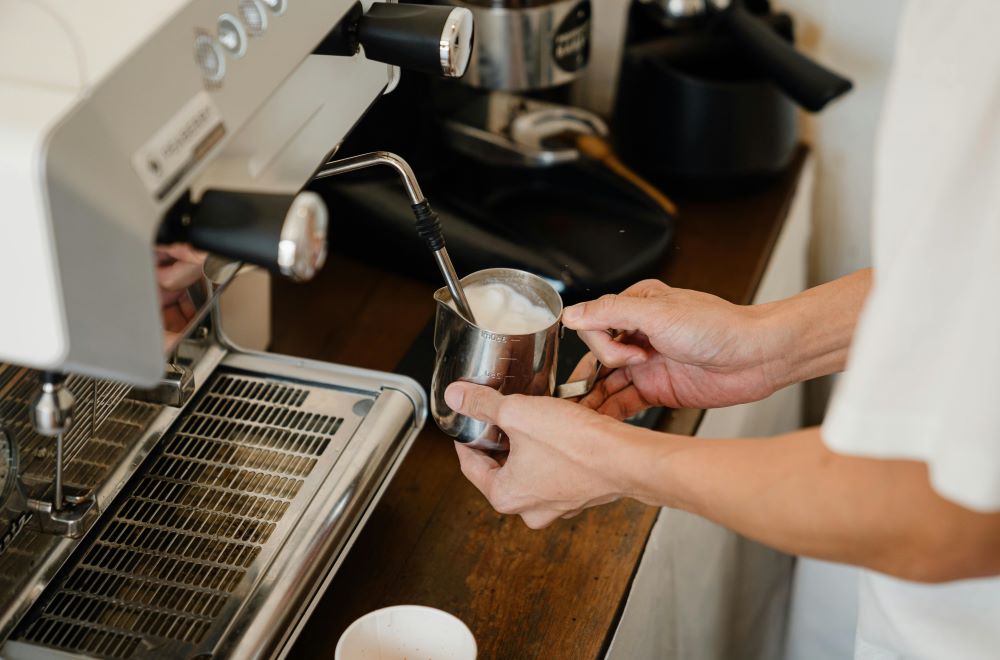
Owning a coffee machine is only half the journey; maintaining it ensures it lasts long and continues producing great coffee.
- Regular Cleaning: Remove coffee residues and oils to prevent bitterness.
- Descaling: Mineral buildup from hard water can affect performance, so descale regularly with a recommended solution.
- Replacing Parts: Filters, gaskets, and water reservoirs may need replacement over time.
- Proper Storage: If unused for long periods, store the machine in a dry, cool place to prevent damage.
Proper care not only extends the life of your machine but also keeps every cup tasting fresh.
Future of Coffee Machines
Technology is transforming the way we brew. Smart coffee machines connected to mobile apps now allow you to schedule and customize brewing remotely. AI integration is expected to personalize coffee suggestions based on your drinking habits. Sustainability is also driving innovation, with eco-friendly designs and zero-waste systems gaining popularity. The coffee machine of the future will likely blend technology, sustainability, and convenience seamlessly.
Conclusion
Coffee machines have revolutionized the way we enjoy one of the world’s favorite beverages. From traditional drip makers to cutting-edge smart espresso machines, there is something for everyone—whether you crave simplicity, speed, or the artistry of a perfectly pulled espresso shot.
Investing in the right coffee machine is not just about convenience; it is about enhancing your daily ritual, saving money, and bringing café-quality coffee into your space. With proper maintenance and thoughtful use, a coffee machine becomes more than just a kitchen appliance—it becomes a partner in your day-to-day life.
As coffee culture continues to grow, so does the innovation behind brewing technology. Whether at home, at work, or on the go, coffee machines ensure that your favorite cup of coffee is never out of reach. For true coffee lovers, that is nothing short of a daily luxury worth savoring.