


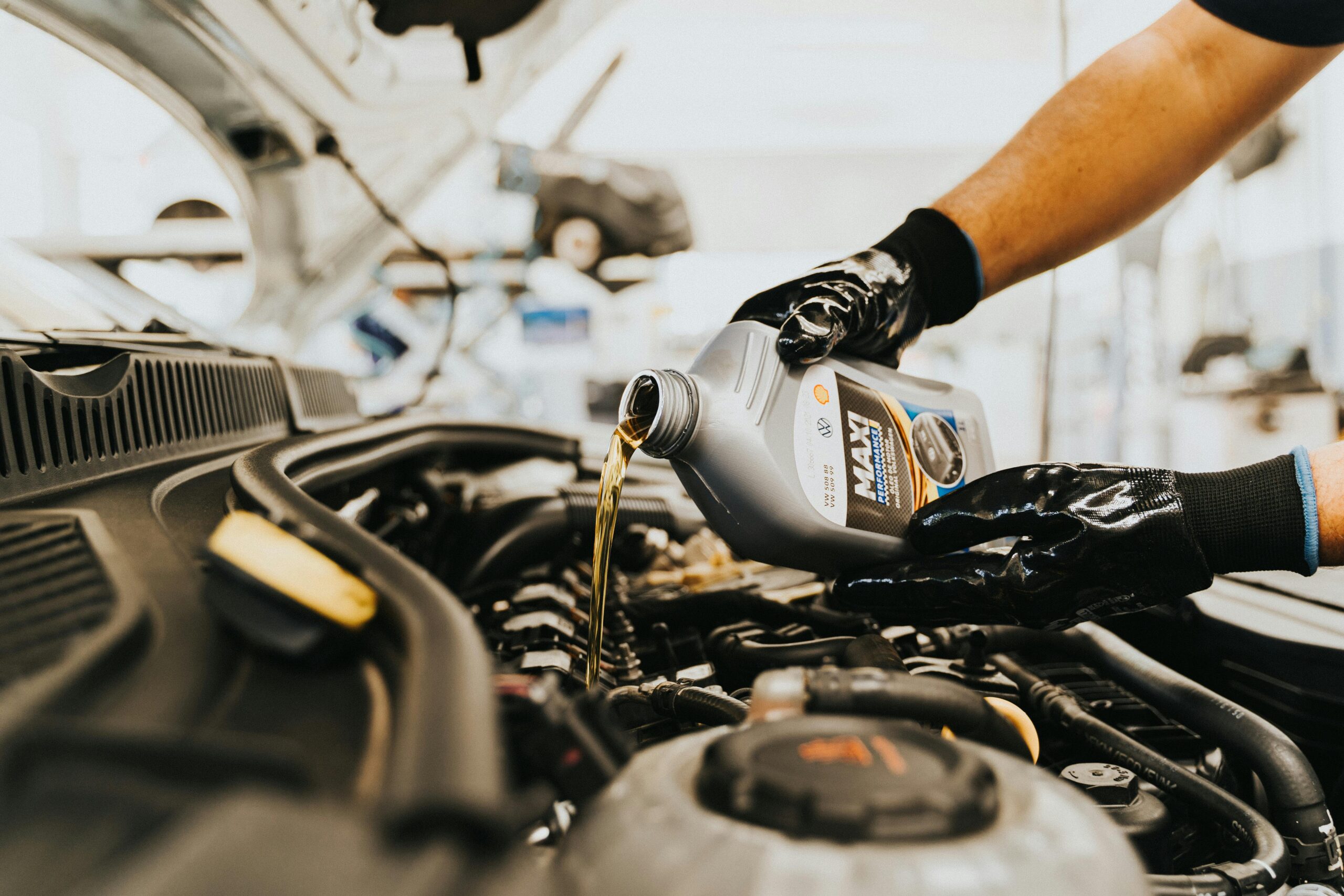
Your car is more than just a machine—it’s a trusted companion that gets you where you need to go. Just like how our bodies need regular care to stay healthy, your car’s engine requires proper maintenance to perform at its best. One of the most essential yet often overlooked aspects of car care is the oil change. Many drivers know it’s important, but how often should you really change your oil? What happens if you delay it? And does the type of oil you use make a difference? Let’s dive into everything you need to know about keeping your engine happy with timely oil changes.
Why Oil Changes Are Crucial for Your Car’s Health
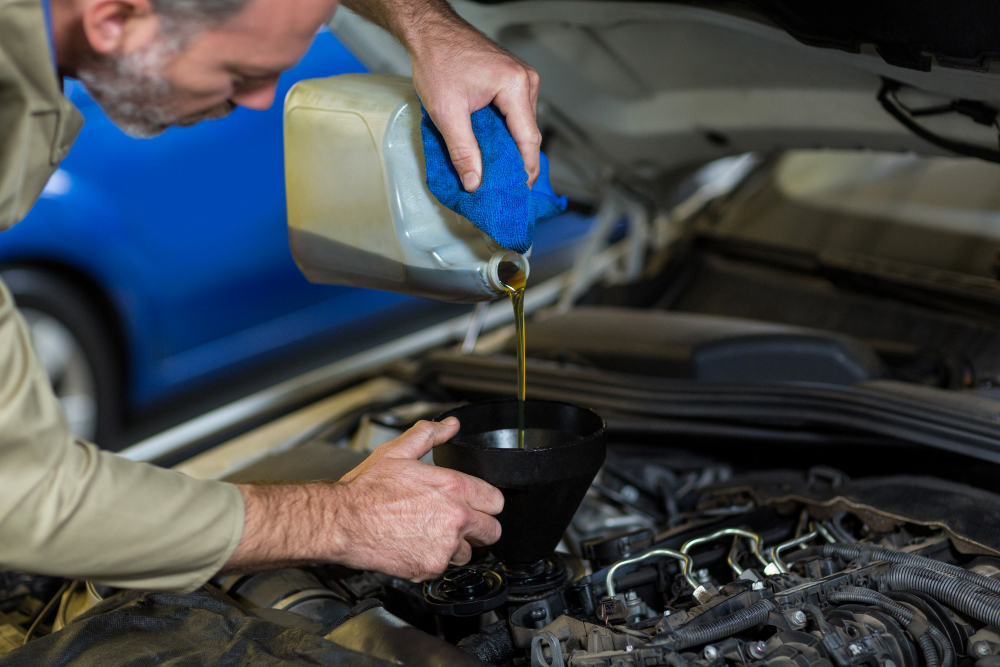
Imagine running a marathon without water—your body would struggle, overheat, and eventually break down. Your car’s engine works in a similar way. Engine oil acts as a lubricant, reducing friction between moving metal parts. Without it, the engine would generate excessive heat, leading to wear and tear, poor performance, and even complete failure. Over time, oil collects dirt, metal particles, and sludge, losing its ability to protect the engine. That’s why changing it regularly is non-negotiable if you want a long-lasting, efficient vehicle.
How Often Should You Change Your Car’s Oil?
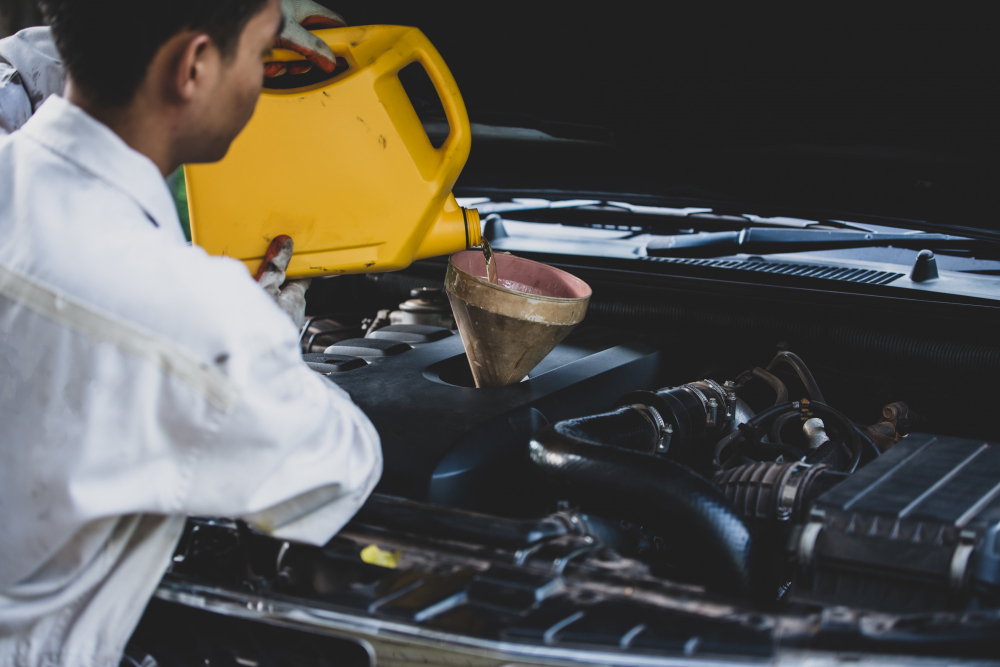
Gone are the days when every car needed an oil change every 3,000 miles. Thanks to advancements in engine technology and higher-quality oils, many modern vehicles can go much longer between changes. However, the exact interval depends on several factors. If you’re using conventional oil, sticking to the traditional 3,000 to 5,000-mile range is a safe bet. Synthetic blends, which combine conventional and synthetic oils, can last between 5,000 and 7,500 miles. Full synthetic oil, designed for high-performance engines, offers the best longevity, often lasting 7,500 to 10,000 miles—sometimes even up to 15,000 miles in certain vehicles.
But mileage isn’t the only deciding factor. Your driving habits play a huge role. If you frequently drive in stop-and-go traffic, take short trips that don’t allow the engine to warm up properly, or haul heavy loads, your oil will degrade faster. Extreme weather conditions—whether scorching summers or freezing winters—also affect oil performance. Additionally, older cars with high mileage may need more frequent oil changes to compensate for engine wear. The best way to know for sure? Check your owner’s manual. Manufacturers provide tailored recommendations based on your car’s specific needs.
Signs That Your Car Is Begging for an Oil Change
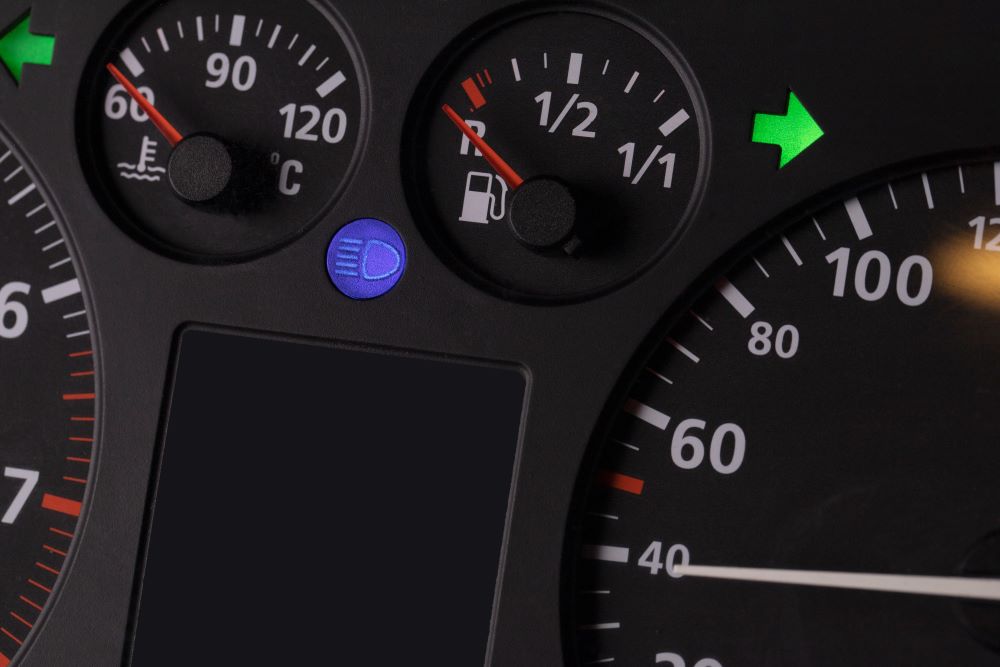
Sometimes, your car will give you clear signals that it’s time for fresh oil. One of the easiest ways to check is by pulling out the dipstick. Clean oil is amber-colored and slightly translucent, while old oil turns dark and gritty. If you notice a burnt smell inside the car, it could mean your oil is breaking down or leaking. Unusual engine noises, like knocking or rumbling, are another red flag—these sounds mean the engine isn’t properly lubricated. And, of course, if your dashboard’s oil change light or check engine light comes on, don’t ignore it. These warnings are there for a reason, and delaying an oil change could lead to costly repairs down the road.
Choosing the Right Oil for Your Car
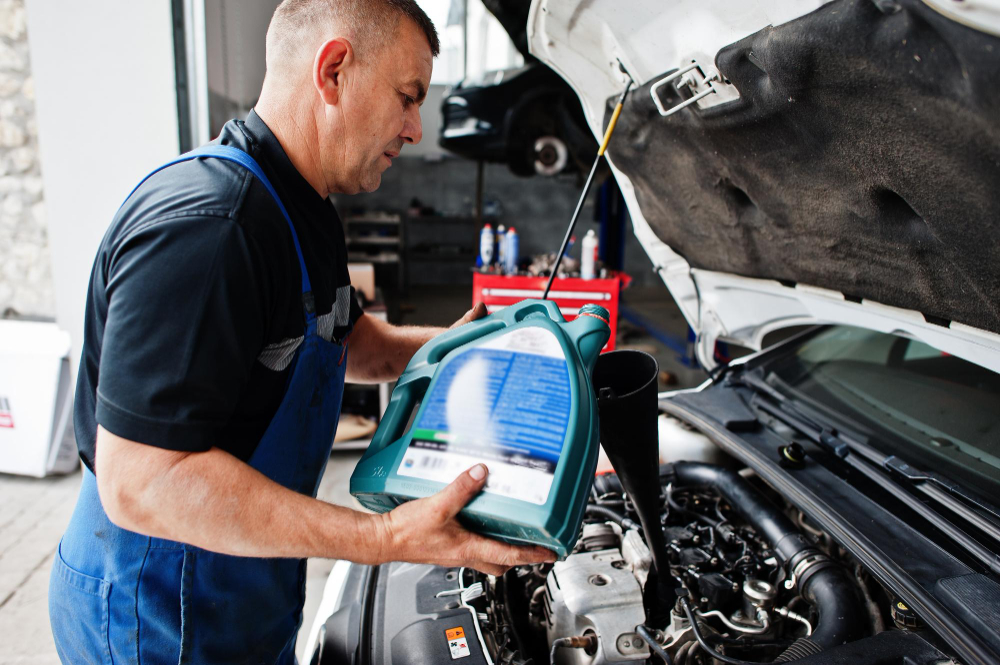
Not all engine oils are created equal. The right type depends on your vehicle’s make, model, and driving conditions. Conventional oil works fine for older cars with simple engine designs, but if you drive a newer vehicle or one with a turbocharged engine, synthetic oil is often the better choice. Synthetic oil handles extreme temperatures better, lasts longer, and provides superior engine protection. For those who want a middle ground, synthetic blends offer some benefits of full synthetic at a lower cost.
Another key factor is viscosity—the oil’s thickness. You’ve probably seen numbers like 5W-30 or 10W-40 on oil bottles. The first number (with the “W” for winter) indicates how the oil flows in cold temperatures, while the second number represents its viscosity at operating temperature. Using the wrong viscosity can affect engine performance, so always refer to your car’s manual for the correct specification.
DIY Oil Change vs. Professional Service: Which Is Better?

If you enjoy hands-on car maintenance, changing your oil at home can save money and give you a better understanding of your vehicle’s condition. You’ll need a few basic tools—a wrench, oil filter, drain pan, and fresh oil—and about 30 minutes of your time. Just make sure to dispose of the old oil responsibly, as it’s harmful to the environment. Many auto parts stores accept used oil for recycling.
However, if you’re not comfortable working under the hood or simply prefer convenience, a professional oil change service is a great option. Mechanics not only replace the oil and filter but also perform a quick inspection of other fluids, tires, and belts, catching potential issues early. Plus, they’ll use the correct oil type and dispose of the old oil properly, giving you peace of mind.
The Consequences of Skipping Oil Changes

It’s easy to postpone an oil change, especially when life gets busy. But neglecting this simple task can lead to serious engine damage. Dirty oil causes increased friction, which wears down engine components faster. Over time, sludge builds up, clogging vital passages and reducing oil flow. This can result in overheating, reduced fuel efficiency, and even complete engine failure—a repair that can cost thousands. Regular oil changes, on the other hand, are a small investment that keeps your engine running smoothly for years.
Final Thoughts: Make Oil Changes a Priority
Your car works hard for you, and something as simple as regular oil changes can make a huge difference in its performance and lifespan. Whether you do it yourself or leave it to the pros, staying on schedule with oil changes ensures your engine stays clean, cool, and efficient. Keep track of your mileage, pay attention to warning signs, and always use the right oil for your vehicle. Your car—and your wallet—will thank you in the long run.